

AK
Kenai Fjords National Park
Tidewater glaciers, fjord wildlife, and the Harding Icefield on Alaska's Kenai Peninsula.


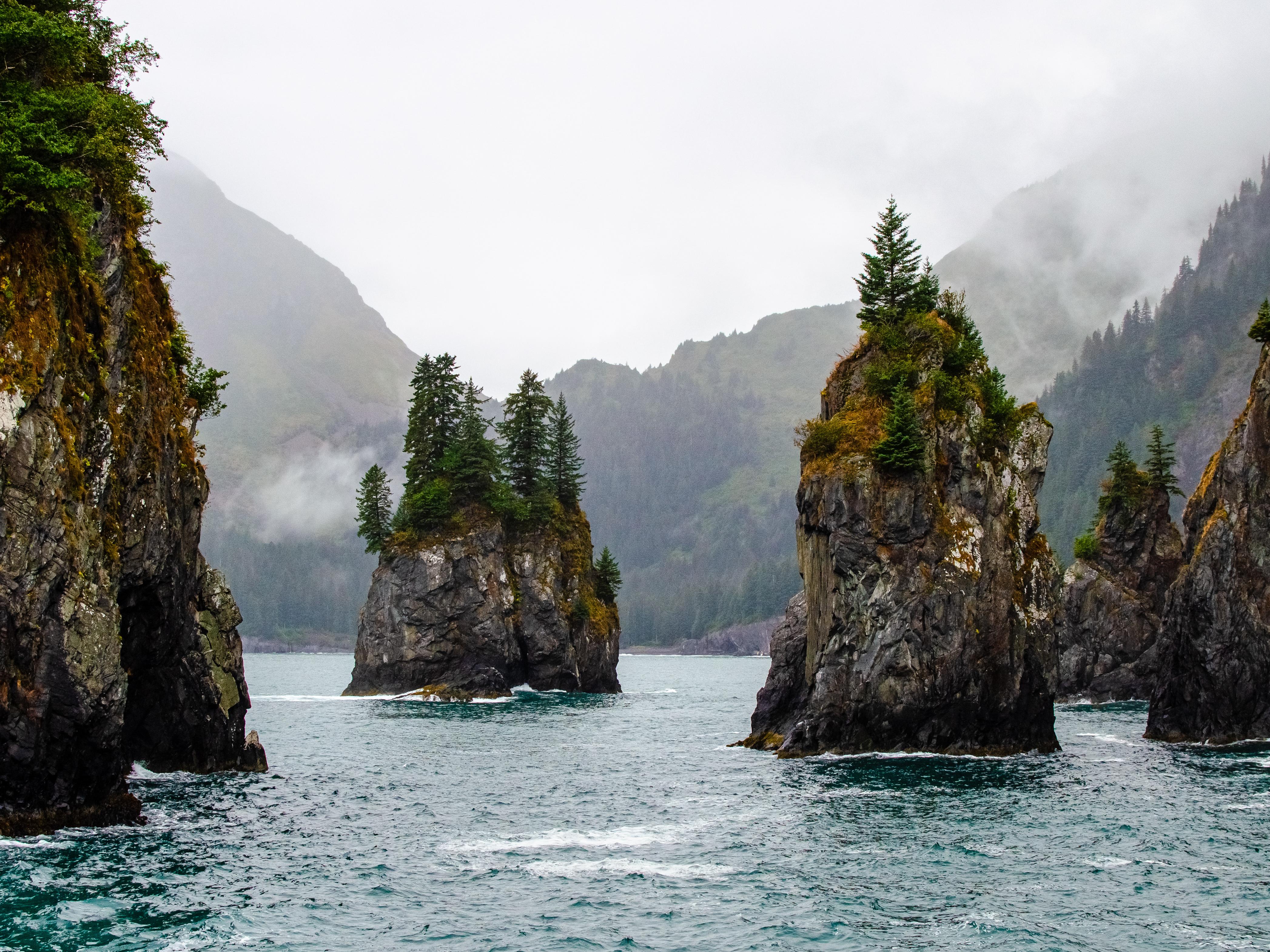


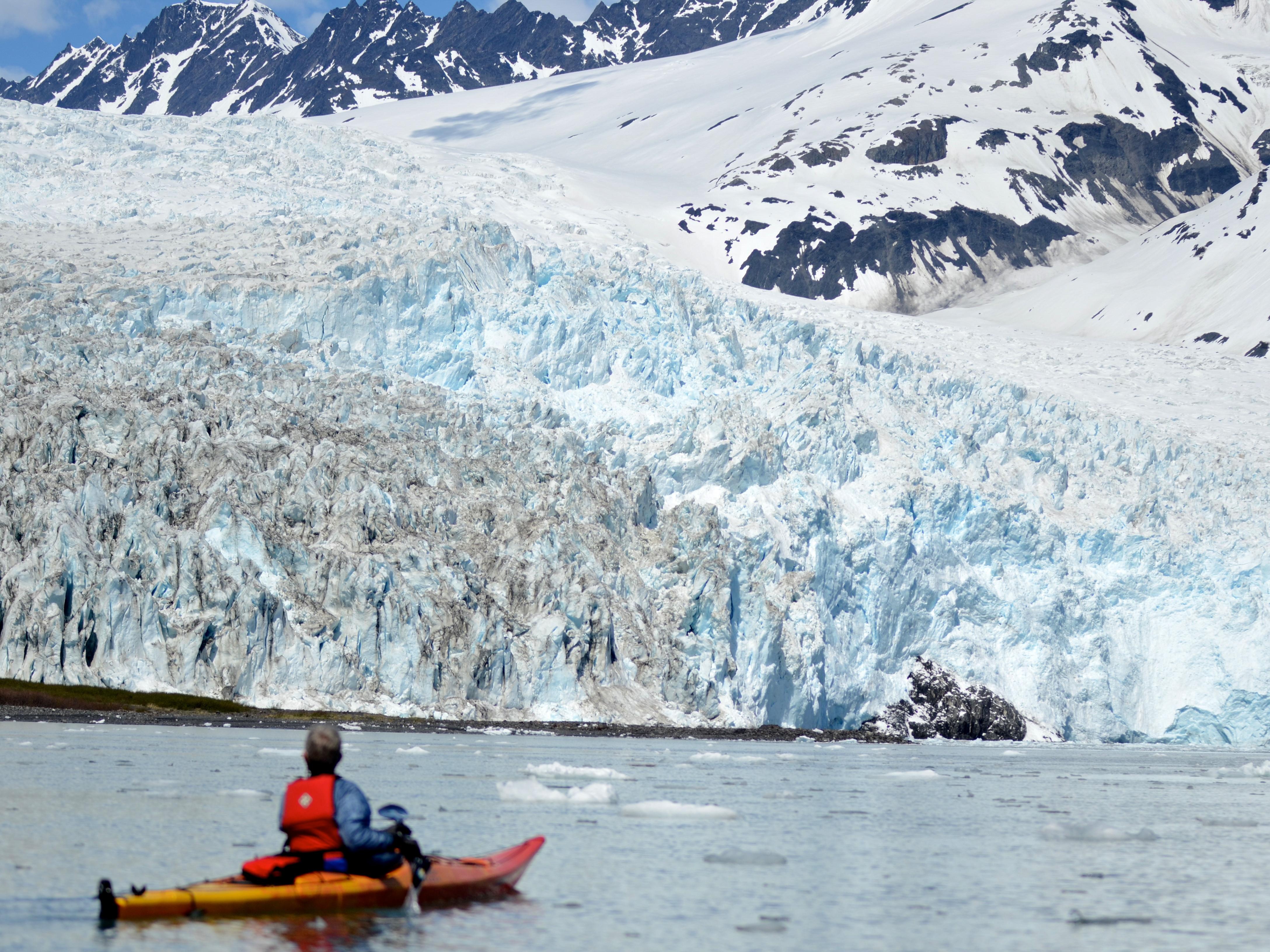
Kenai Fjords National Park showcases Alaska's glacial landscape and marine ecosystems, where tidewater glaciers meet the Gulf of Alaska. Nearly 40 glaciers descend from the Harding Icefield, the park's defining feature, carving dramatic fjords and supporting abundant wildlife in both icy waters and temperate forests.
The park encompasses glacier viewing areas, fjord access points, and backcountry terrain across the Kenai Peninsula. Most visitor activity centers on the coastal fjord zone, where you can observe tidewater glaciers and marine life, while interior regions offer wilderness exploration for those seeking remote terrain.
Kenai Fjords sits at the convergence of ice, ocean, and forest on the Kenai Peninsula. The park is accessible year-round, though conditions and visitor services vary seasonally. No permit is required to visit or camp in the park, making it an open destination for independent exploration and day trips from nearby towns.
No locations are linked to Kenai Fjords National Park yet.
Common Questions
What visitors most often want to know about Kenai Fjords National Park.
Do I need a permit to visit Kenai Fjords National Park?
No permit is required to visit Kenai Fjords National Park. You can explore the park freely during operating hours.
What is the Harding Icefield?
The Harding Icefield is the crowning feature of Kenai Fjords National Park, from which nearly 40 glaciers flow. It represents a remnant of the ice age and offers a dramatic landscape shaped by ancient glaciation.
What kind of wildlife can I see at Kenai Fjords?
Wildlife thrives throughout the park in both the icy fjord waters and lush forests along the coastline. The combination of marine and terrestrial habitats supports diverse species adapted to this glacier-carved landscape.
Why are the glaciers in Kenai Fjords shrinking?
The glaciers at Kenai Fjords are shrinking due to the effects of climate change. Their recession is visible evidence of how our changing climate is reshaping this landscape.