

CA
Joshua Tree National Park
Where the Mojave and Colorado deserts meet—rocks, solitude, and wide-open sky.
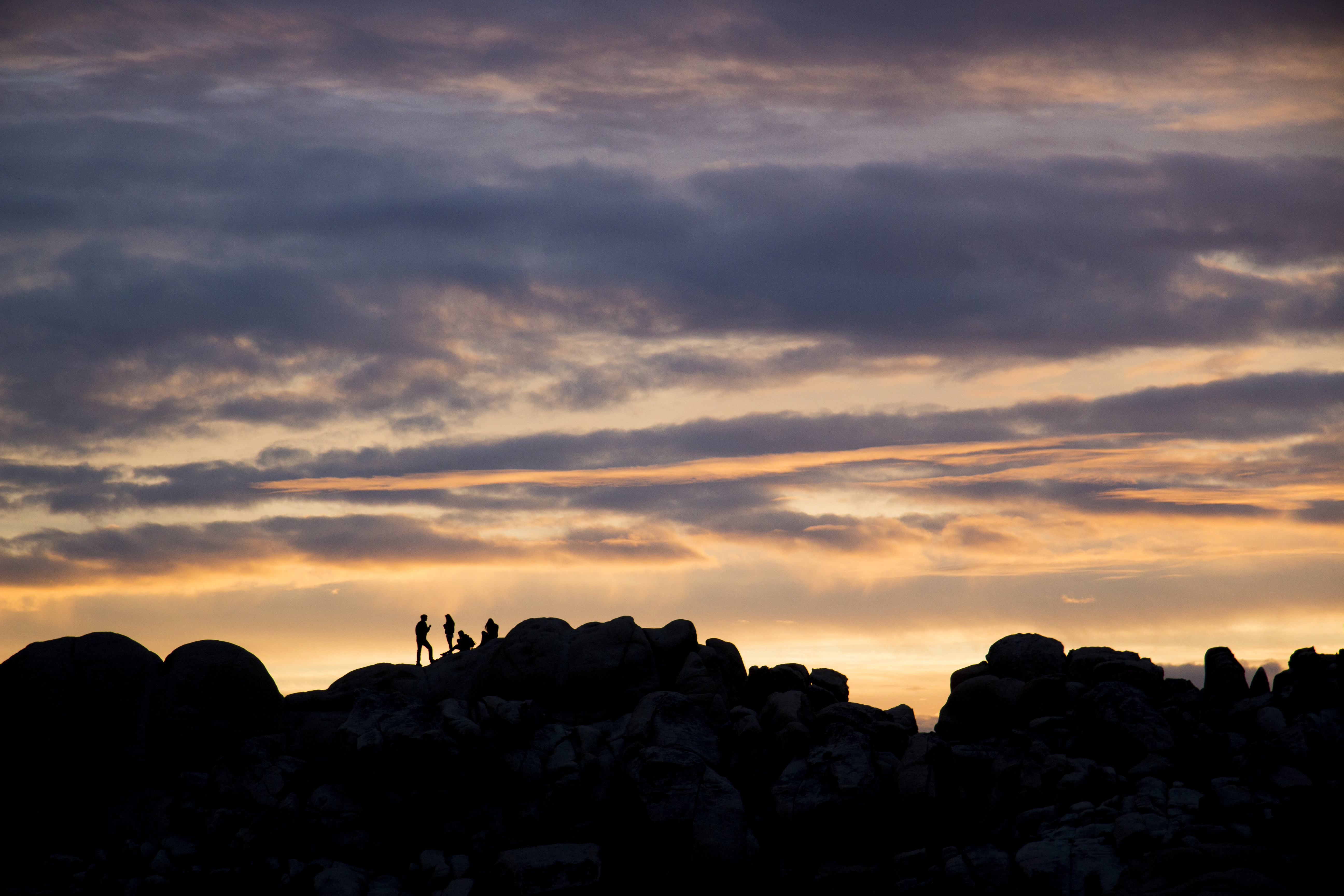
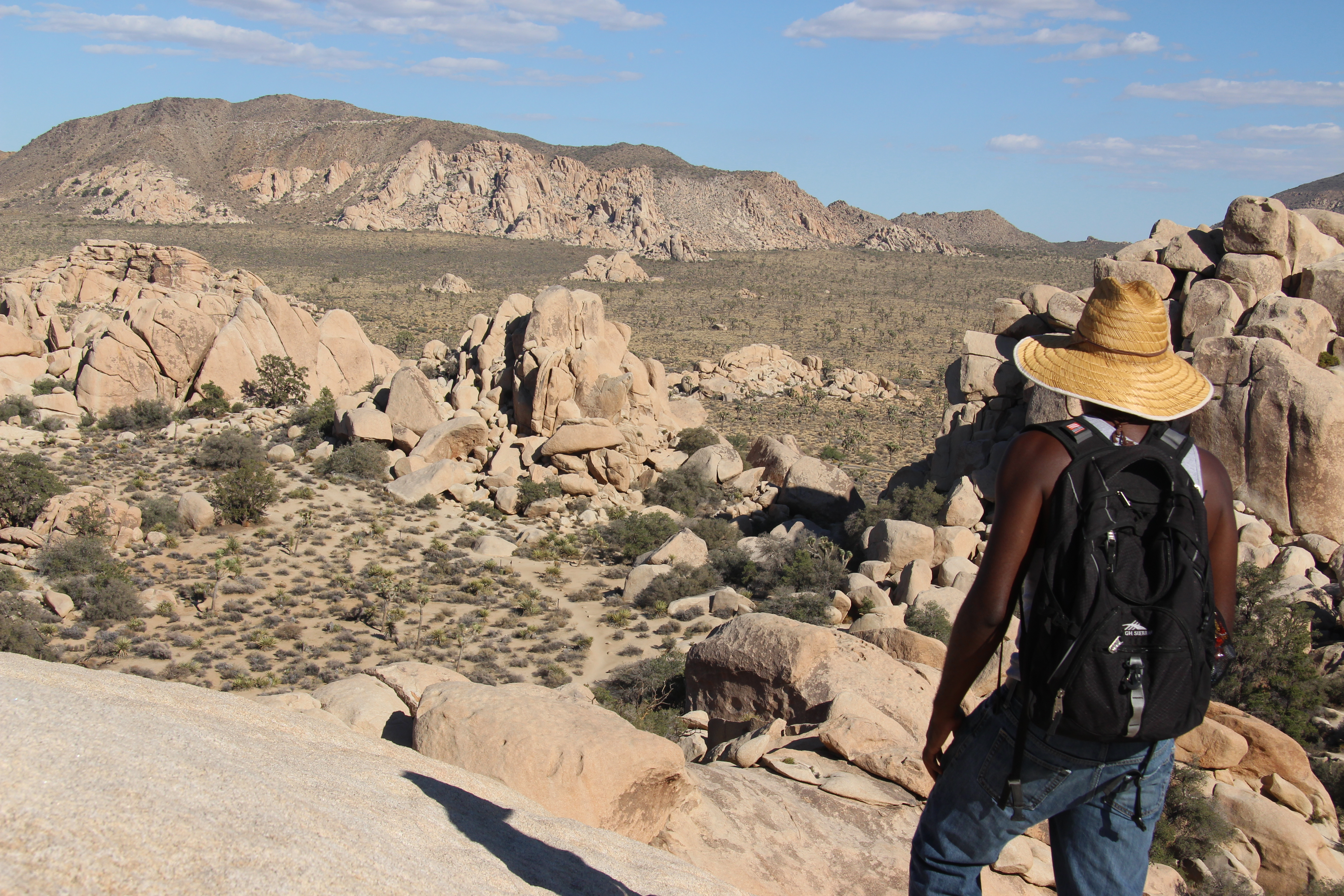
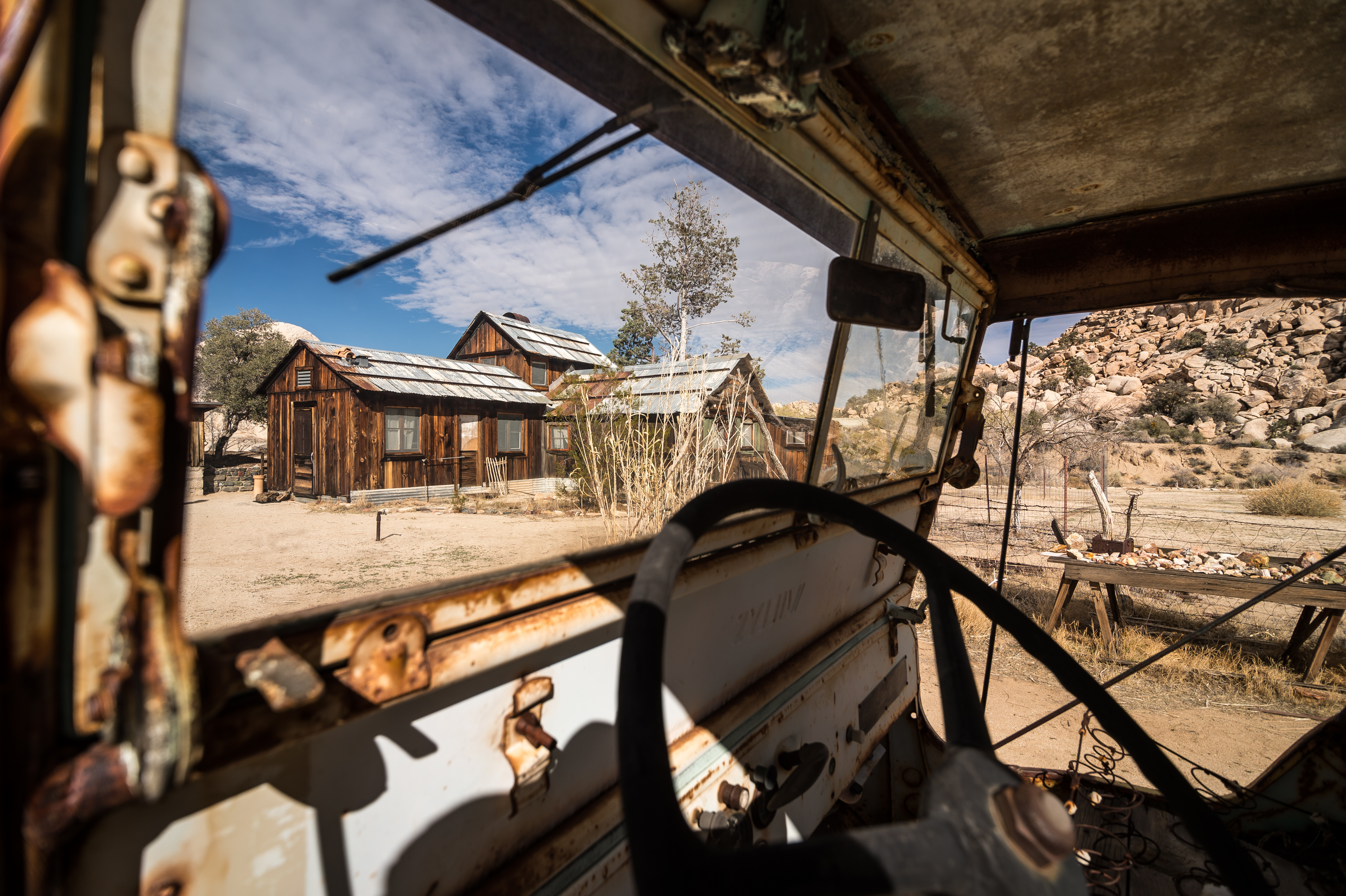
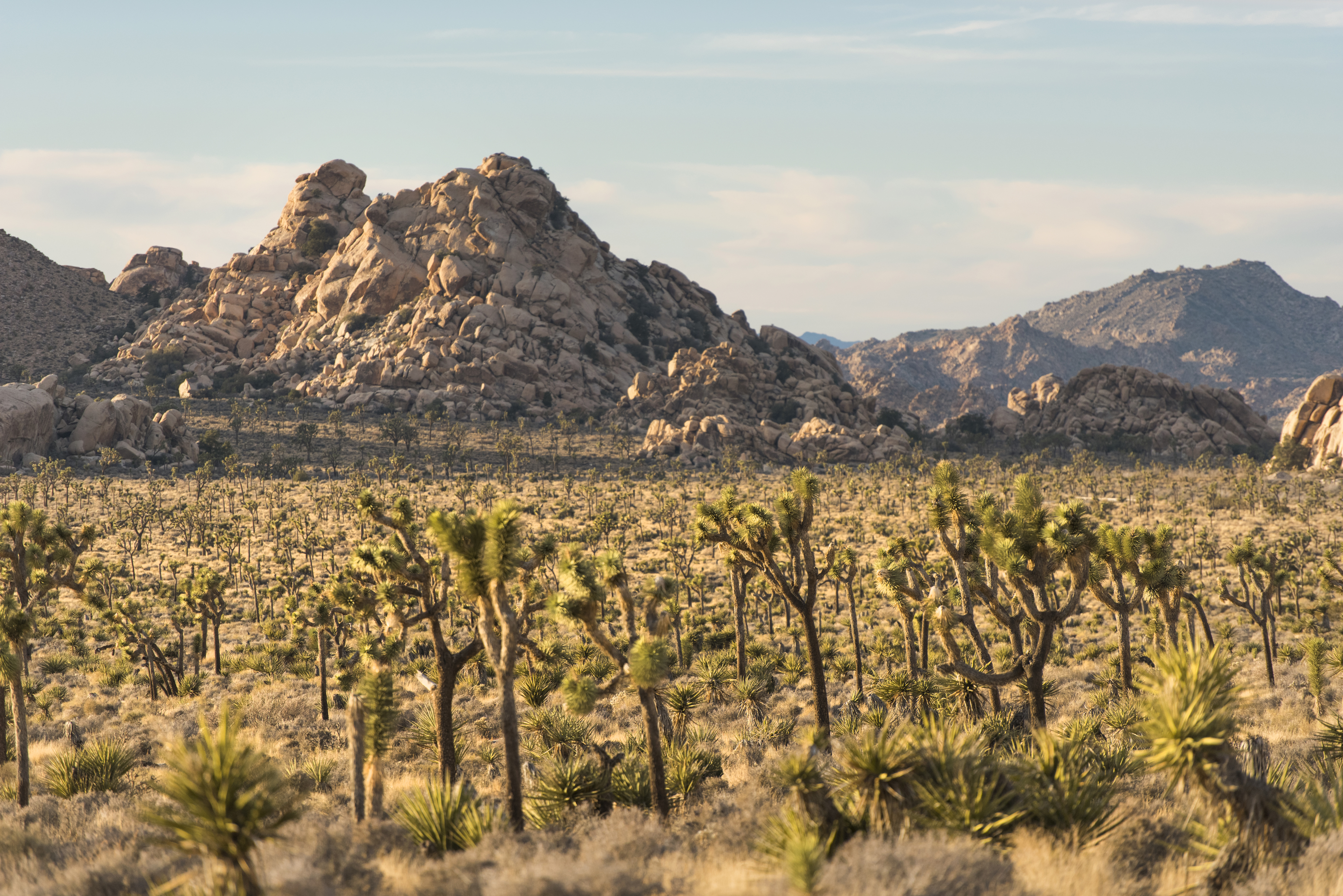


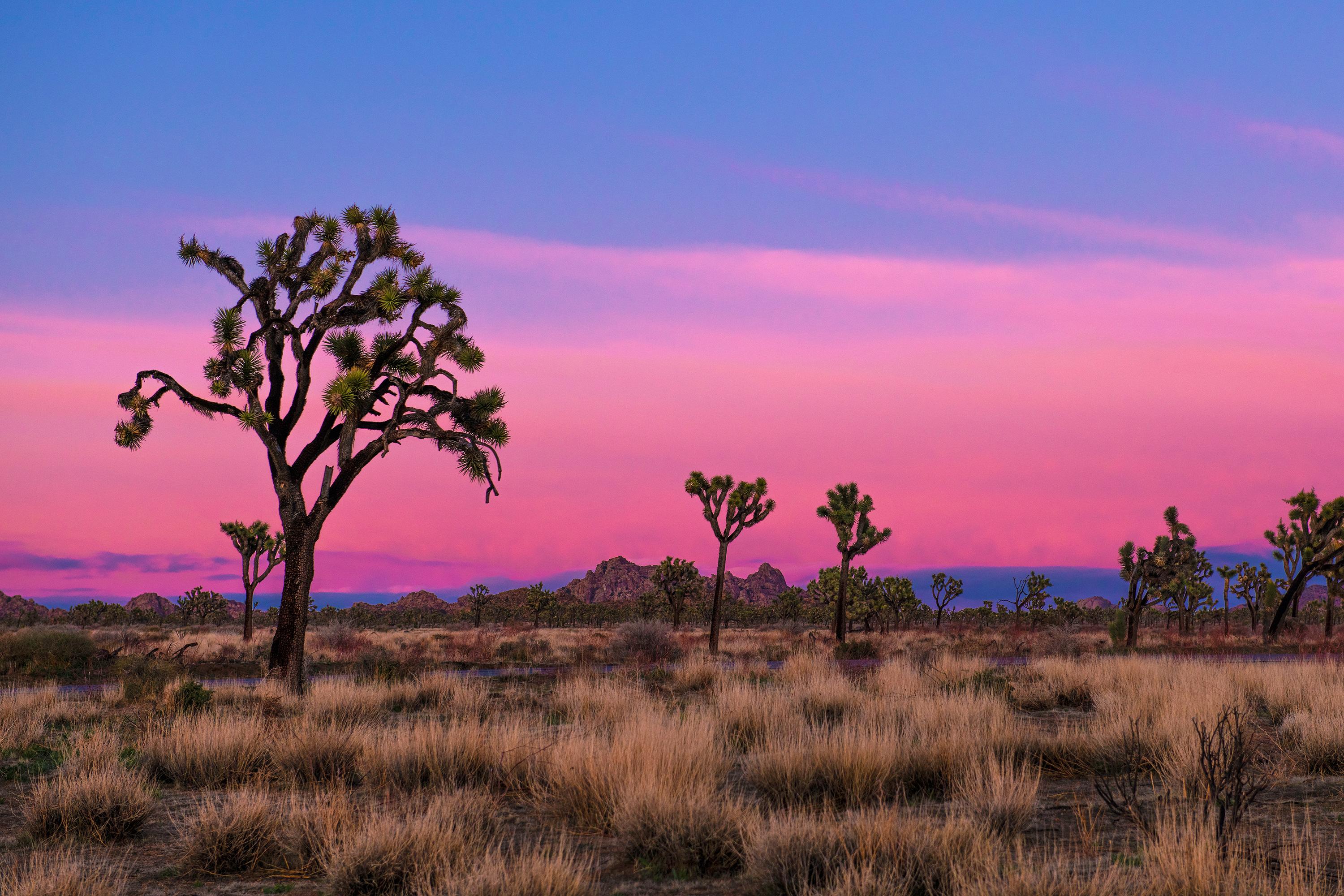
Joshua Tree National Park spans where the Mojave and Colorado deserts meet in southern California, creating a landscape shaped by wind, rare rains, and dramatic geology. The park draws visitors seeking otherworldly rock formations, starry nights, and the chance to experience two distinct desert ecosystems in one place.
Inside the park you'll find day-use areas, campgrounds, and open backcountry for hiking and climbing across thousands of acres of protected desert.
The park's vast wilderness and dark skies make it a destination for both geology enthusiasts and those seeking solitude in the high desert. No permit is required to visit or camp—you can arrive and explore on your own schedule.
No locations are linked to Joshua Tree National Park yet.
Common Questions
What visitors most often want to know about Joshua Tree National Park.
Do I need a permit to visit Joshua Tree National Park?
No permit is required to visit Joshua Tree National Park. You can explore the park freely, though you will need to pay an entrance fee upon arrival.
What are the two desert ecosystems at Joshua Tree?
Joshua Tree National Park is where the Mojave and Colorado desert ecosystems meet. This convergence creates a unique landscape with distinct plant and animal communities in different areas of the park.
What makes Joshua Tree special for stargazing?
Joshua Tree is known for its dark night skies, making it an excellent destination for viewing stars and experiencing the night sky. The vast wilderness and minimal light pollution create ideal conditions for astronomy.
What can I expect to see at Joshua Tree National Park?
The park features surreal geologic formations shaped by wind and occasional heavy rain, along with a fascinating variety of plants and animals adapted to desert life. The landscape is sculpted by natural forces and reflects a rich cultural history in southern California's vast wilderness.