

CA
Redwood National and State Parks
World's tallest trees, wild coastline, and river valleys in Northern California.
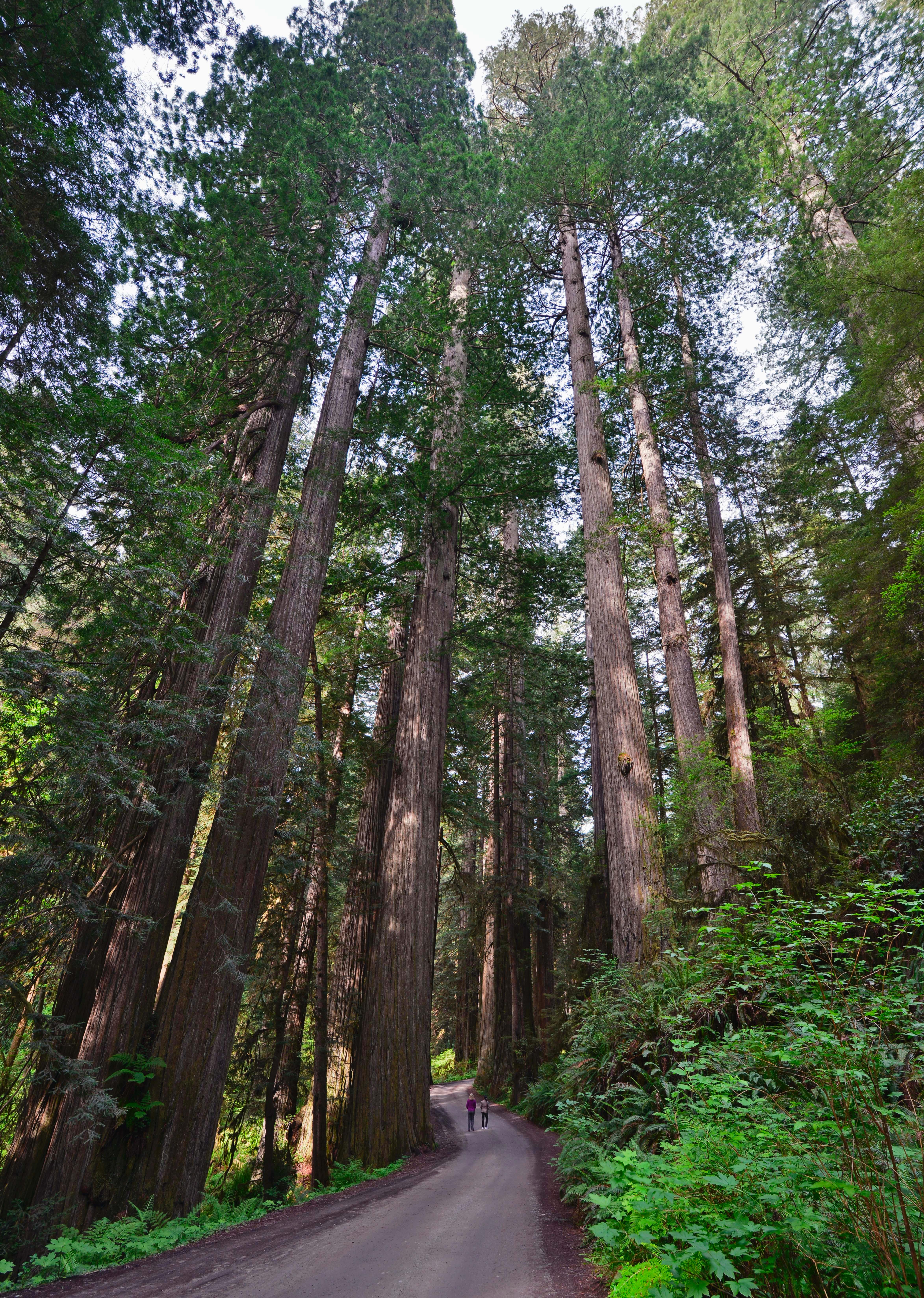
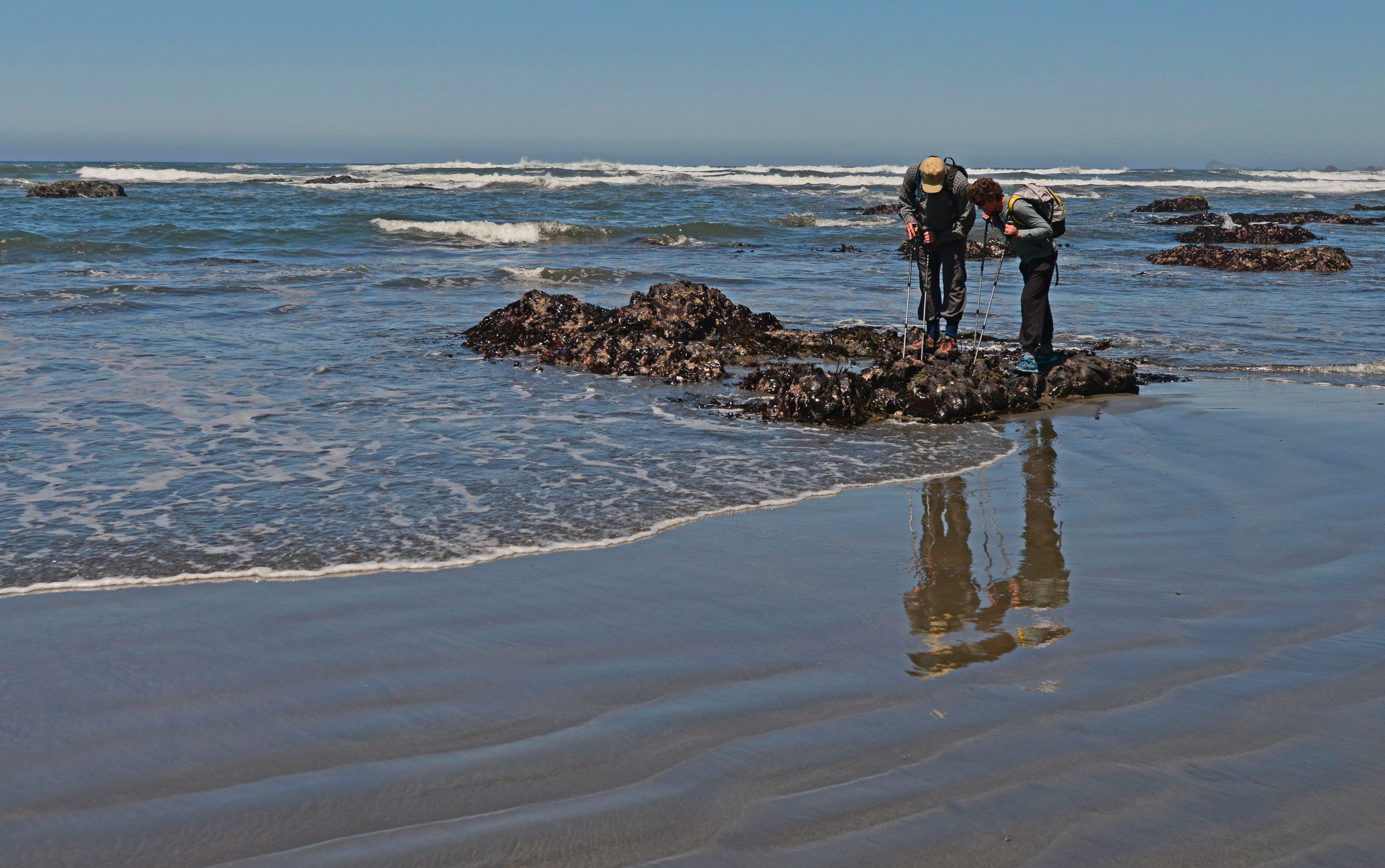
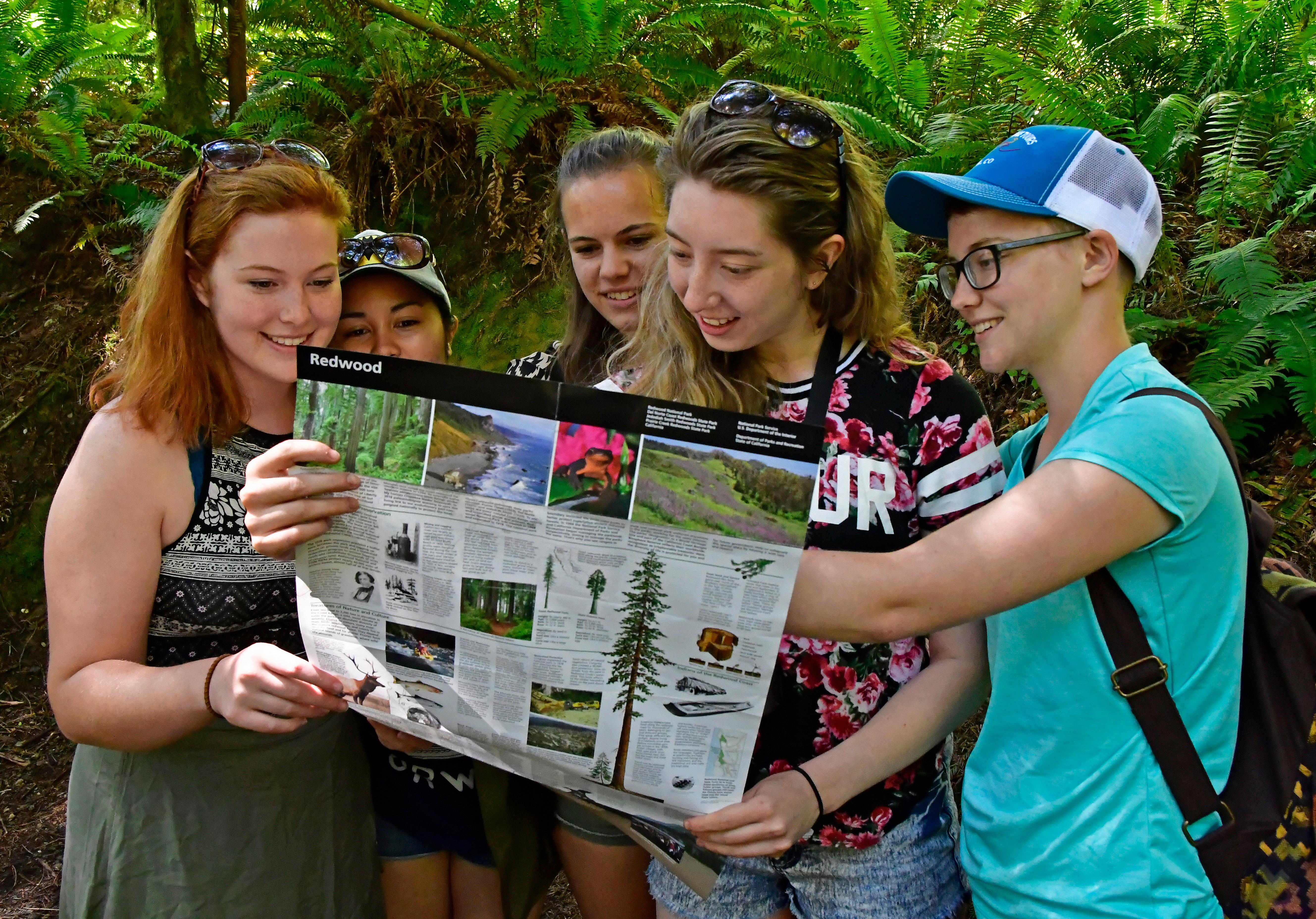
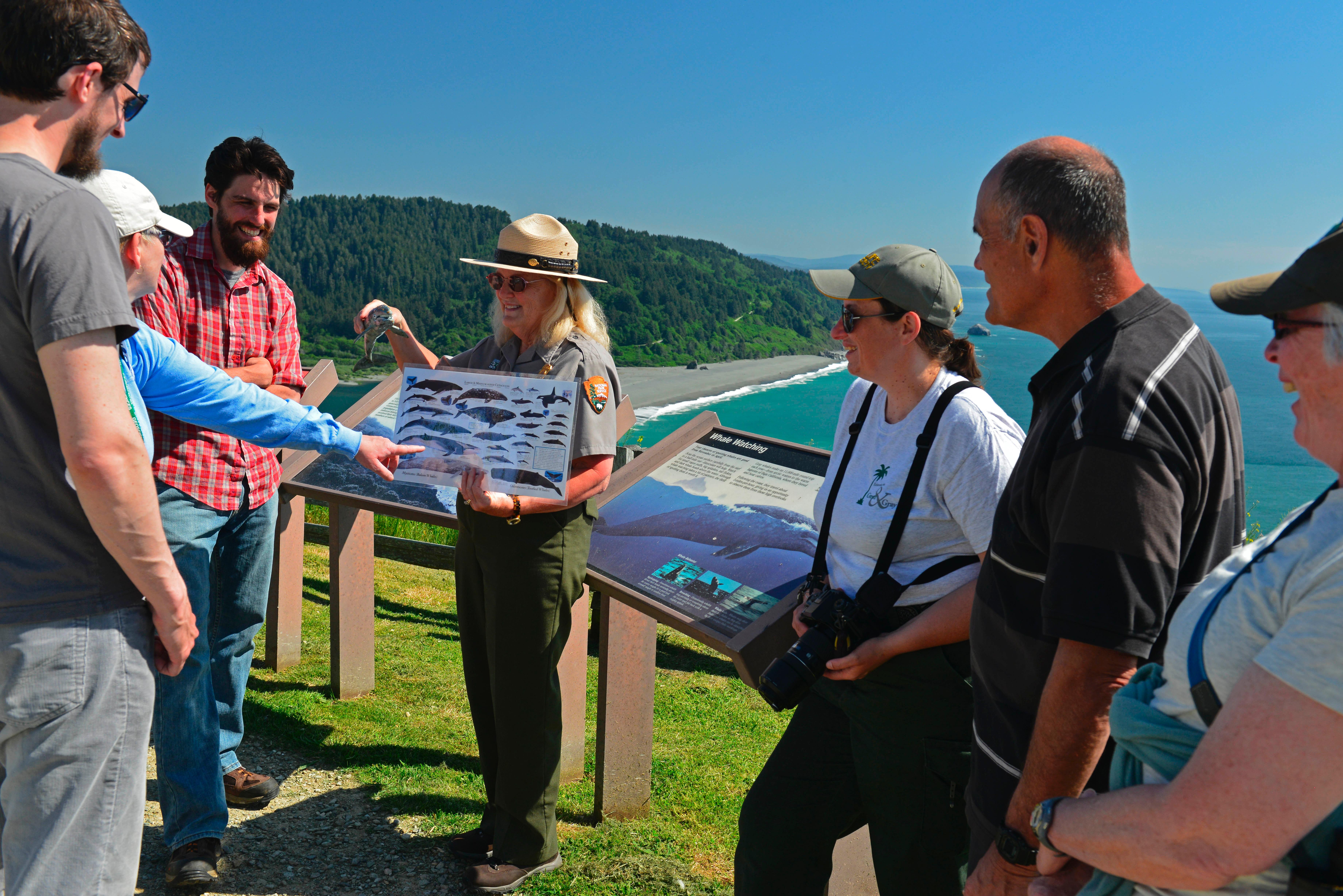
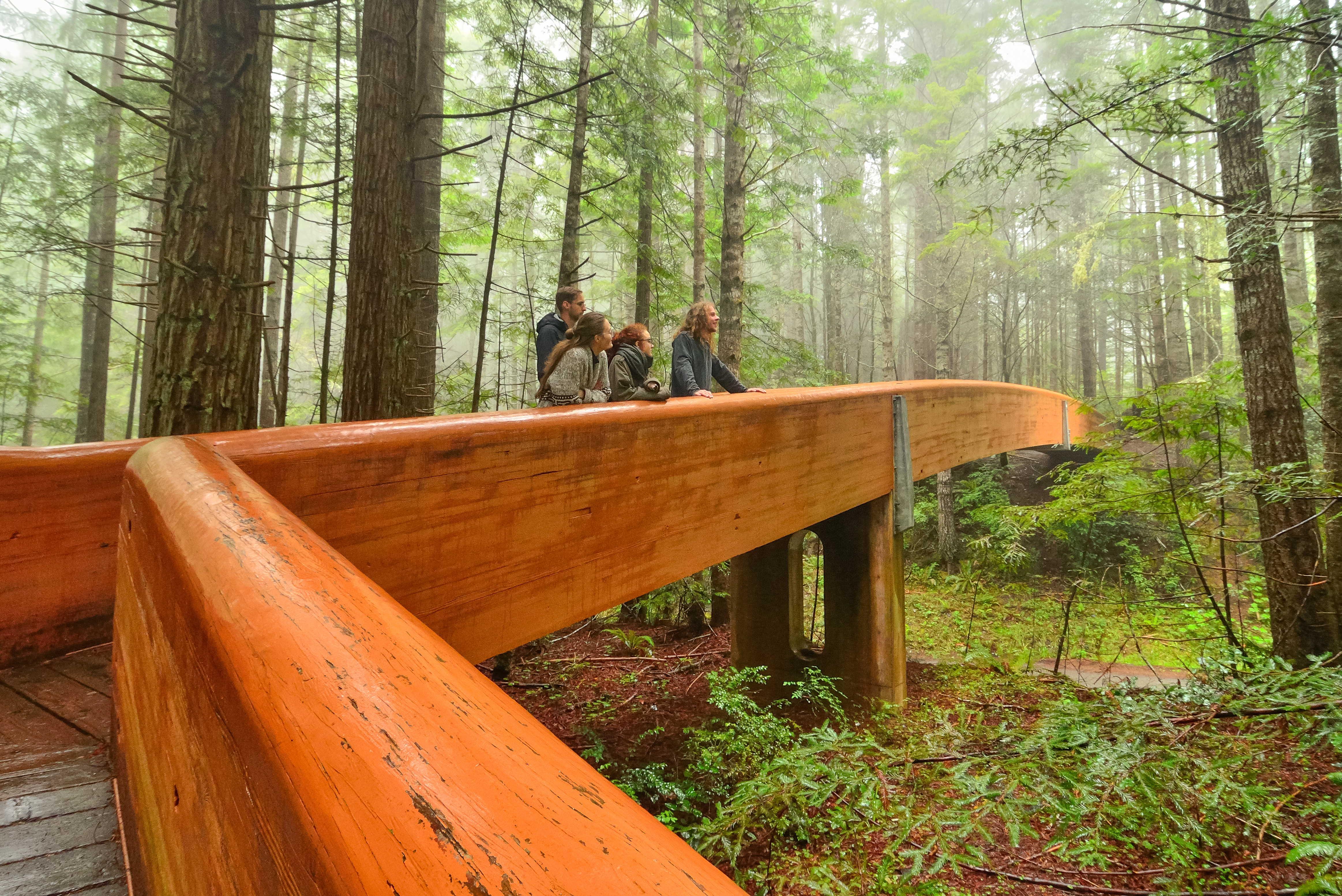


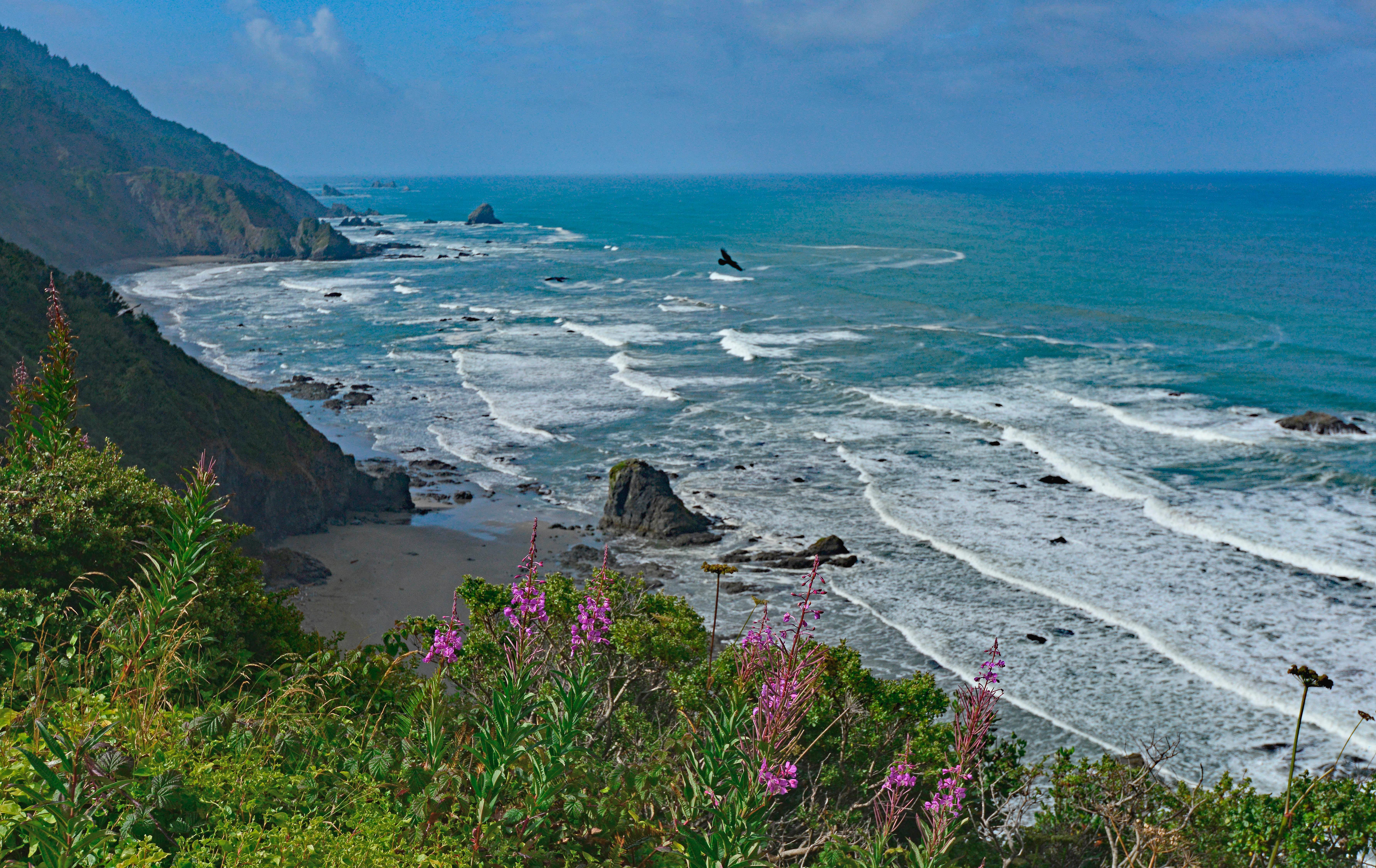
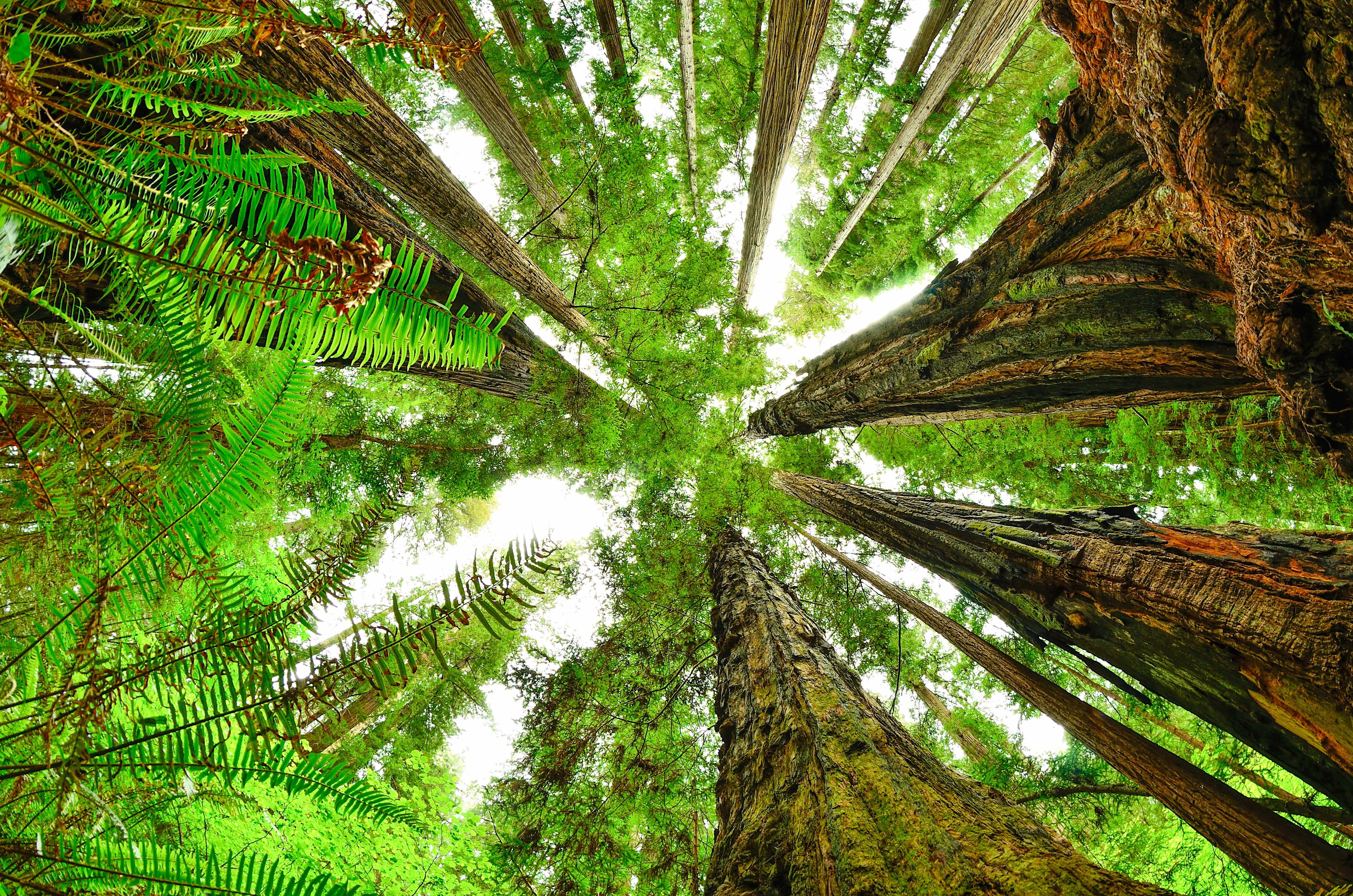
Redwood National and State Parks protect the world's tallest trees alongside sweeping prairies, oak woodlands, river valleys, and dramatic coastal cliffs along Northern California's rugged shoreline. This landscape has sustained human communities for millennia and now welcomes visitors to explore ancient forests and wild terrain without requiring a permit.
The parks encompass multiple campgrounds and day-use areas where you can access the groves, trails, and waterways that define this region. Whether you're seeking old-growth redwood forests, coastal vistas, or river access, the area offers varied entry points for exploration.
Redwood's setting combines temperate forest ecology with maritime influence, creating lush conditions year-round. The parks blend National Park Service and California State Parks management to preserve both the ecological and cultural heritage woven through these lands.
No locations are linked to Redwood National and State Parks yet.
Common Questions
What visitors most often want to know about Redwood National and State Parks.
Do I need a permit to visit Redwood National and State Parks?
No permit is required to visit Redwood National and State Parks. The parks are open to the public for recreation and exploration.
What kind of landscapes can I expect to see at Redwood?
Redwood National and State Parks feature diverse landscapes including old-growth redwood forests, open prairies, oak woodlands, pristine rivers, and untamed coastline. The parks are home to the world's tallest trees and offer varied terrain for visitors to explore.
Who manages Redwood National and State Parks?
Redwood National and State Parks are jointly managed by the National Park Service and California State Parks. Both agencies work together to protect and restore these lands for public enjoyment, learning, and inspiration.
What is the historical significance of Redwood National and State Parks?
These lands have been home to people for thousands of years and represent an ancient cultural landscape. The parks now work to preserve this heritage while welcoming visitors to experience and learn from the region's rich history.