

Homestead, FL
Everglades National Park
Wetlands, wildlife, and waterways in Florida's iconic subtropical ecosystem.
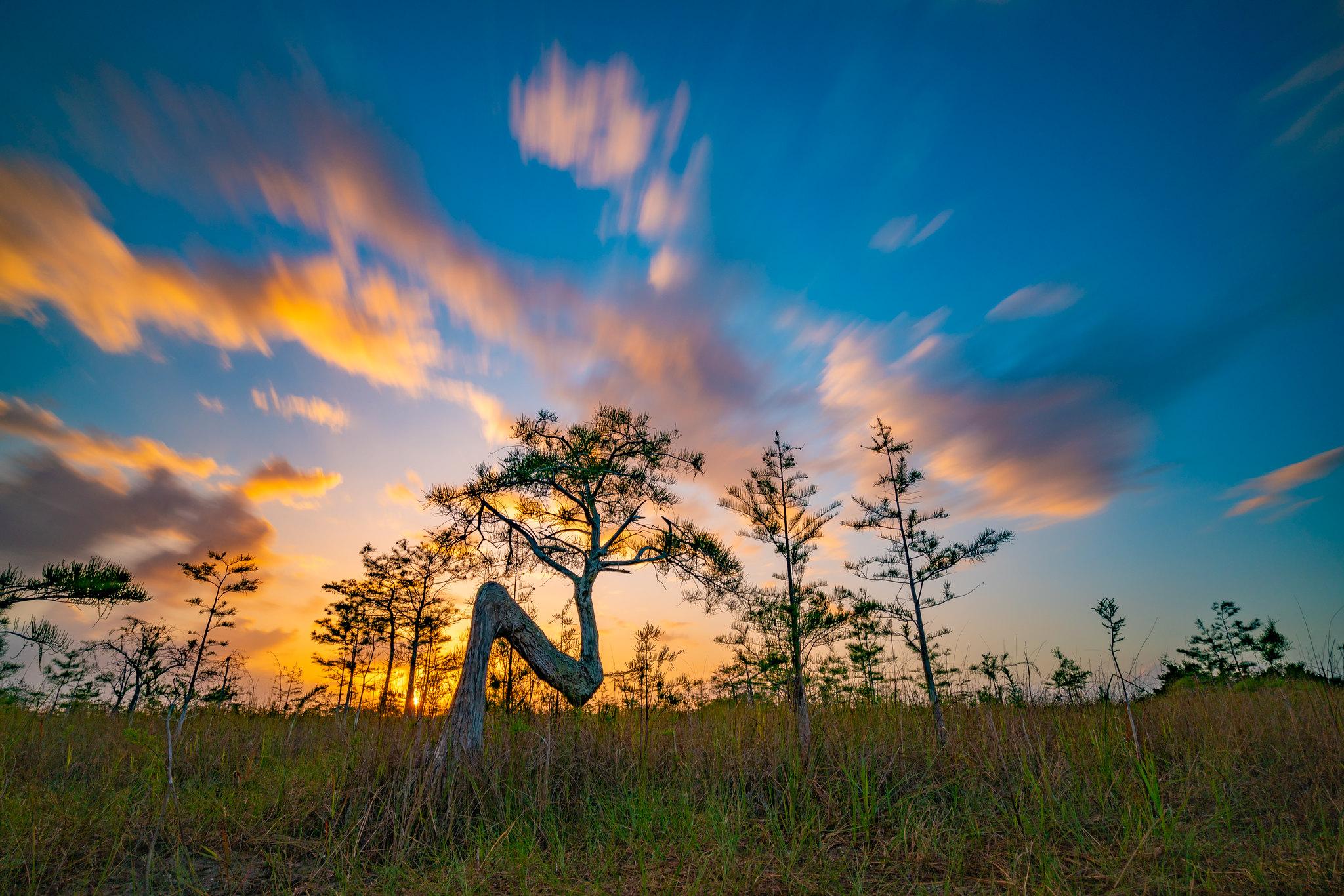

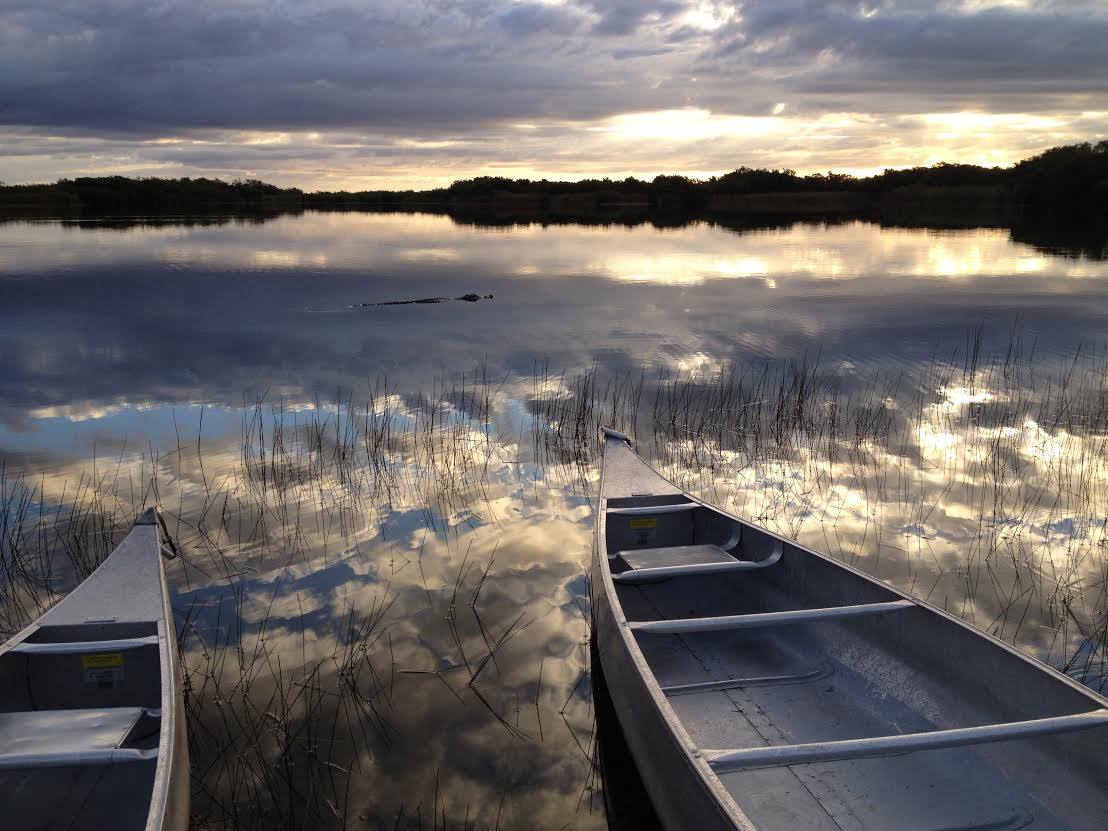

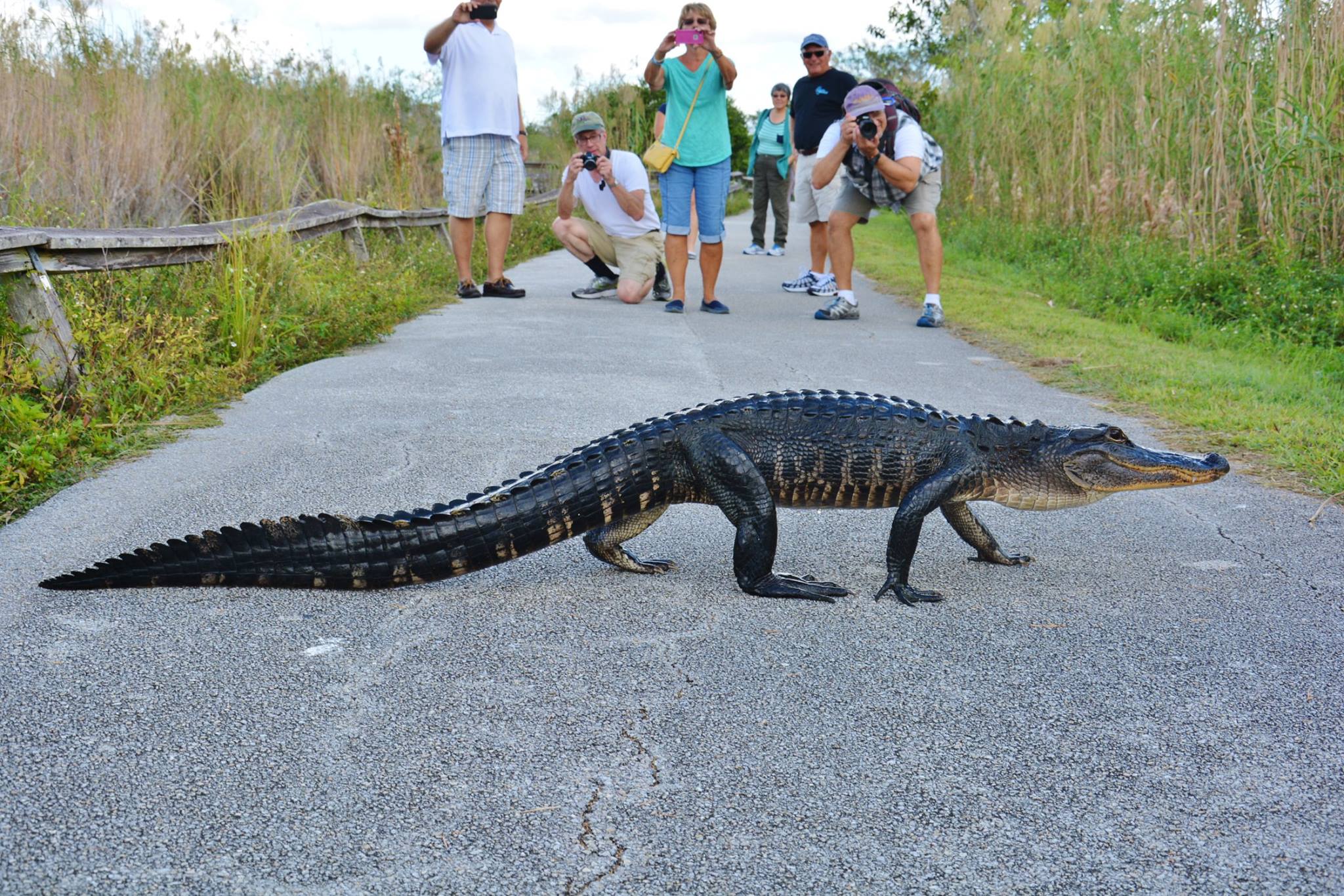

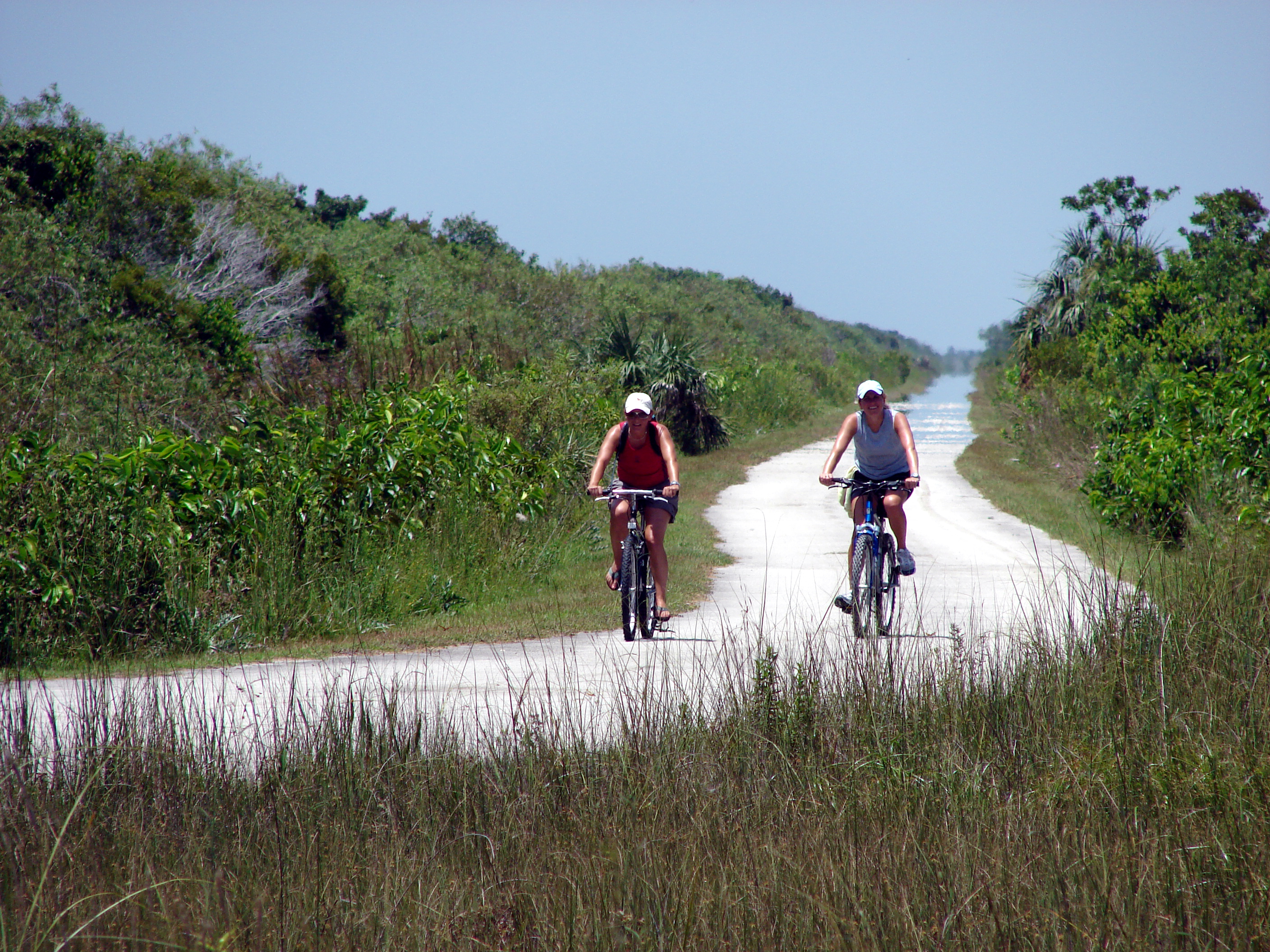

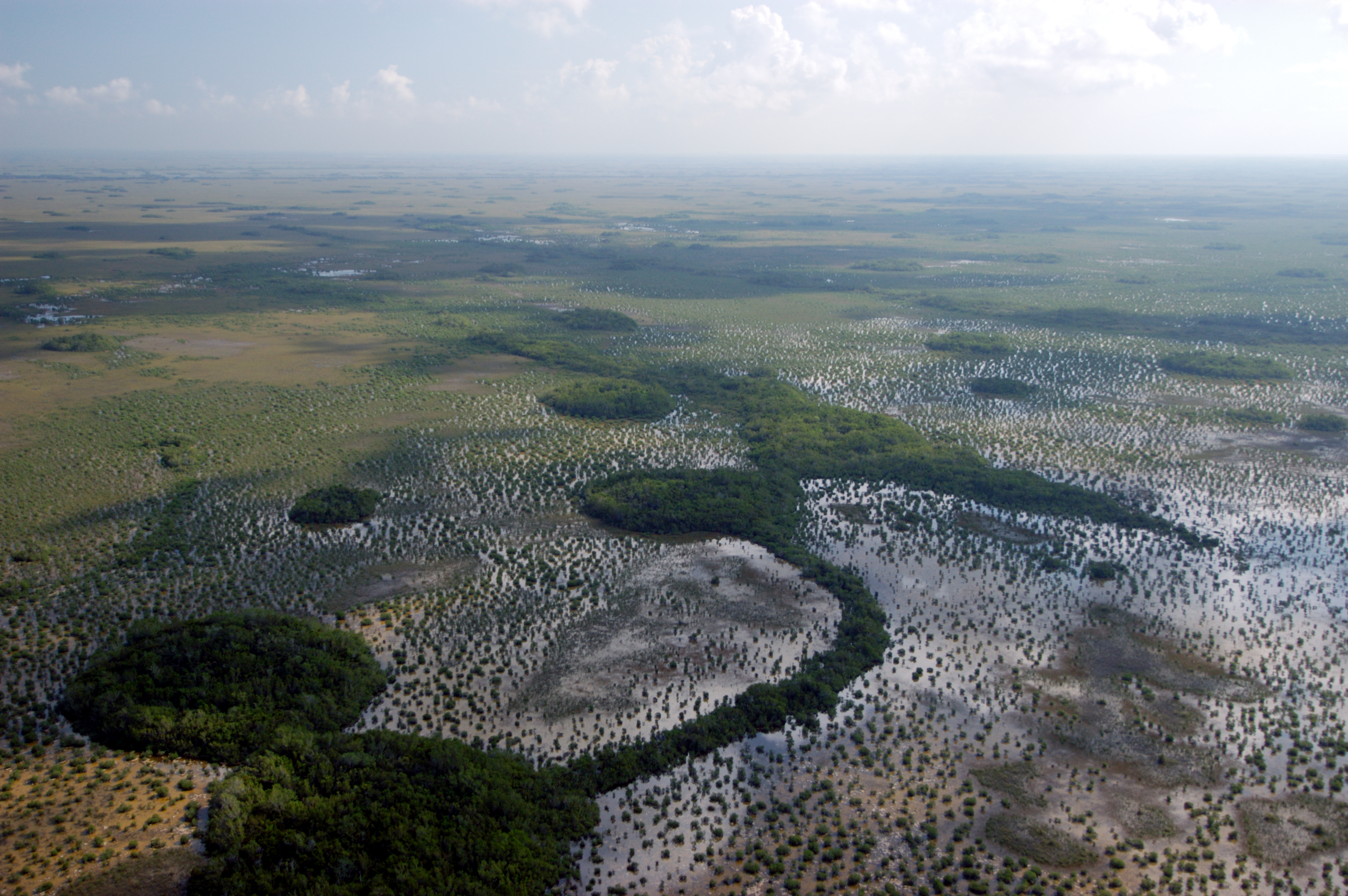

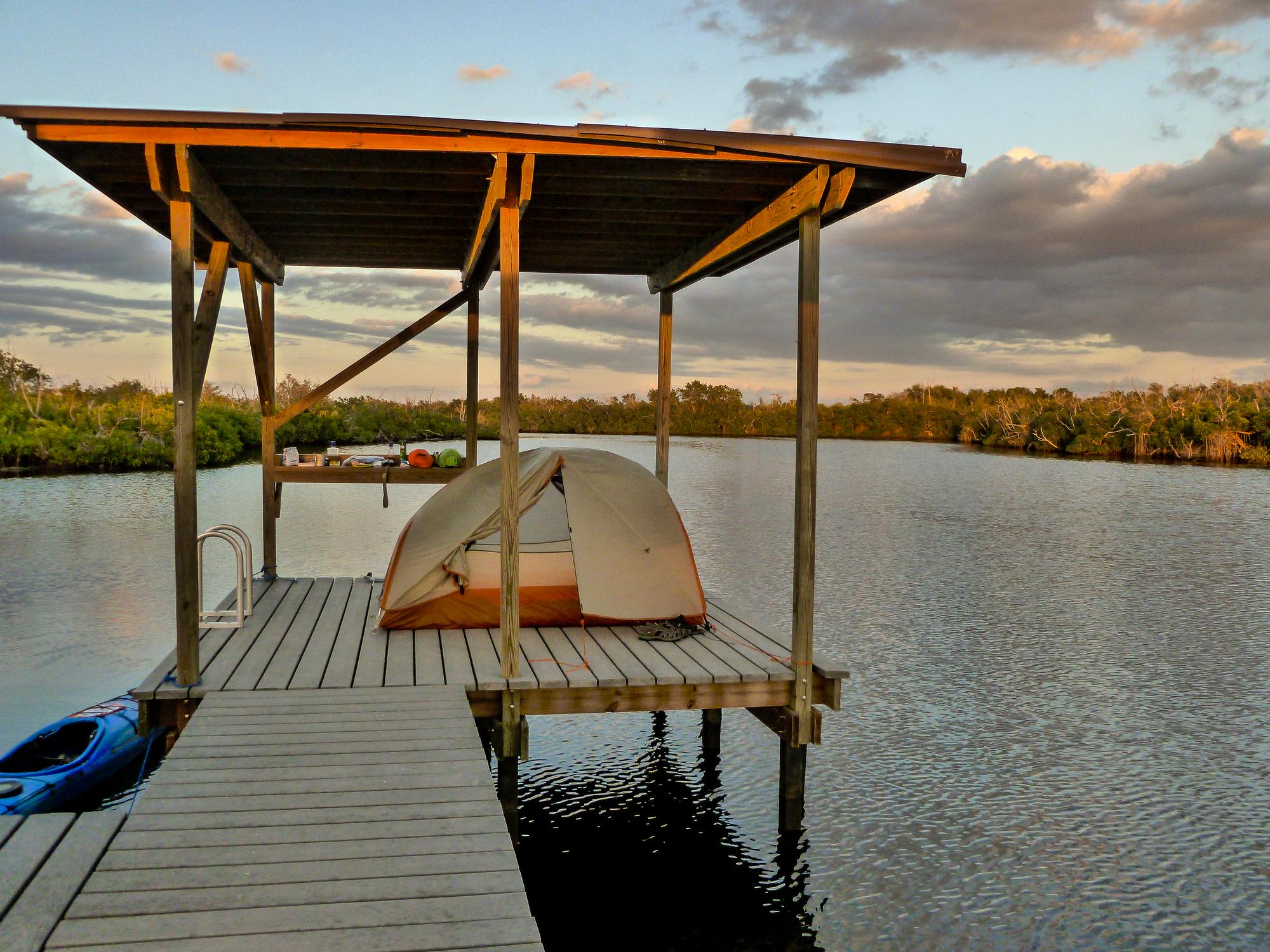
Everglades National Park spans 1.5 million acres of subtropical wetland, forest, and coastal ecosystems in South Florida near Homestead. Established as America's first national park designed to protect a landscape for its ecological significance rather than scenic monuments alone, the park is home to plants and wildlife found nowhere else on Earth.
The park contains multiple entry points and recreation zones, including campgrounds, hiking trails, backcountry paddling routes, and visitor centers, each offering different ways to experience the marsh, mangrove, and hardwood forest environments.
The subtropical climate and seasonal water cycles shape when and how to visit. Everglades National Park requires no permit to enter, making it accessible for day trips and overnight stays. The park also serves as a critical freshwater source for surrounding South Florida communities.
No locations are linked to Everglades National Park yet.
Common Questions
What visitors most often want to know about Everglades National Park.
Do I need a permit to visit Everglades National Park?
No permit is required to visit Everglades National Park. You will need to pay an entrance fee to enter the park, but advance reservations or permits are not necessary for general visitation.
What habitats can I expect to see at Everglades National Park?
Everglades National Park protects wetland, forest, and marine habitats across 1.5 million acres. The park is home to native plants and animals adapted to these diverse ecosystems.
Why is Everglades National Park significant?
Established in 1947, Everglades was the first national park created specifically for its biodiversity. The park holds several international designations and serves as a major source of drinking water for South Florida residents.
Where is Everglades National Park located?
Everglades National Park is located in Florida near Homestead. The park protects a unique ecosystem in South Florida.