

Bryce Canyon City, UT
Bryce Canyon National Park
Two campgrounds and backcountry access in Utah's realm of towering rock spires.
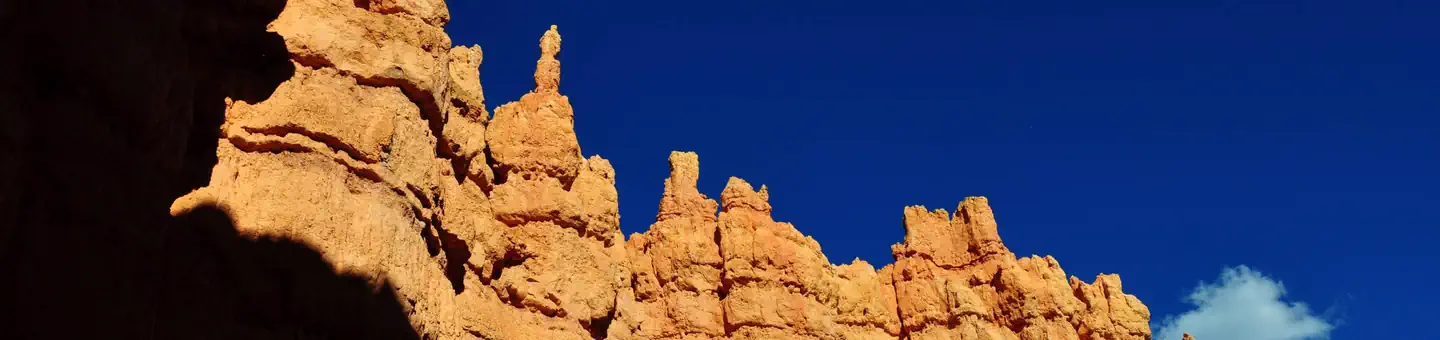
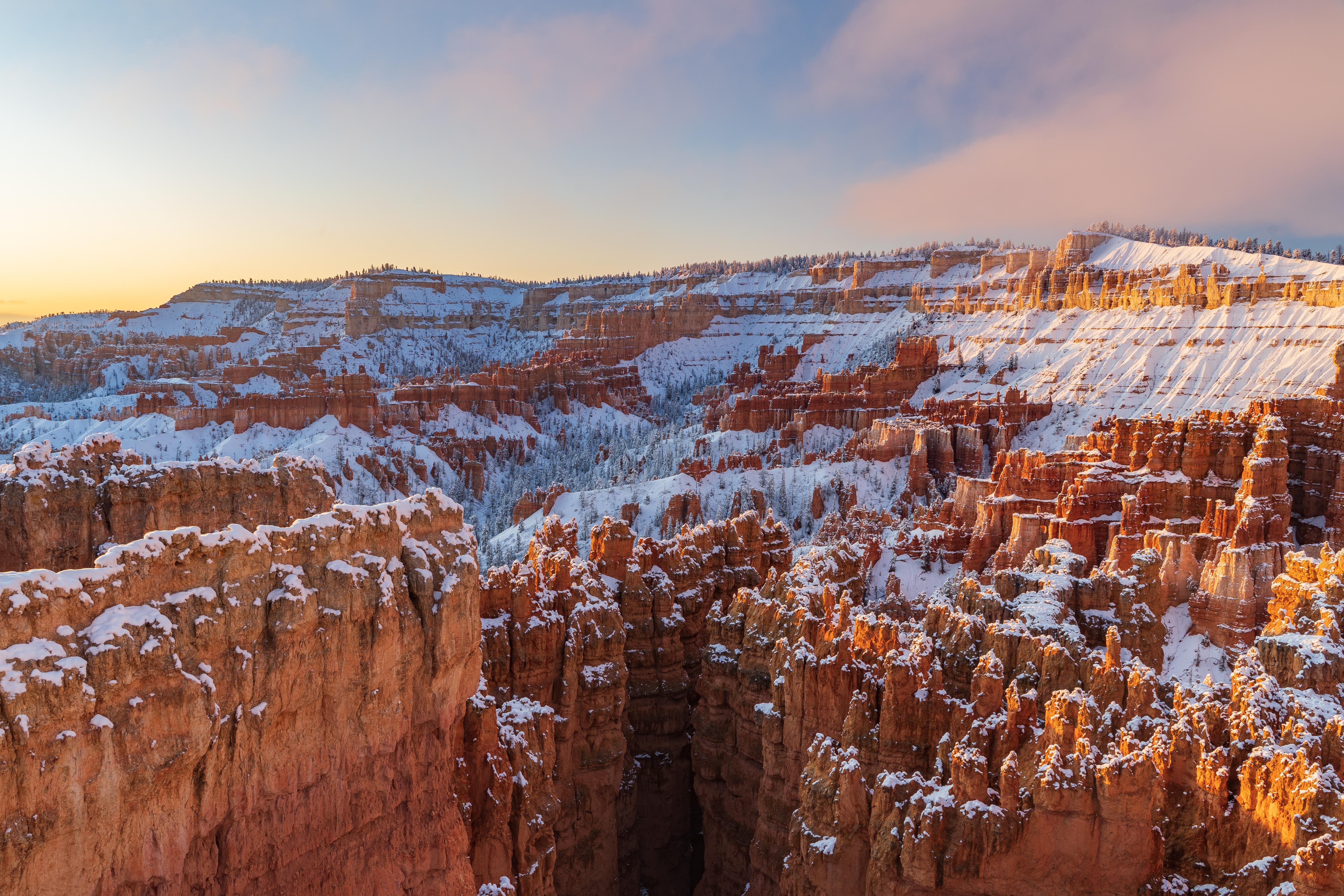
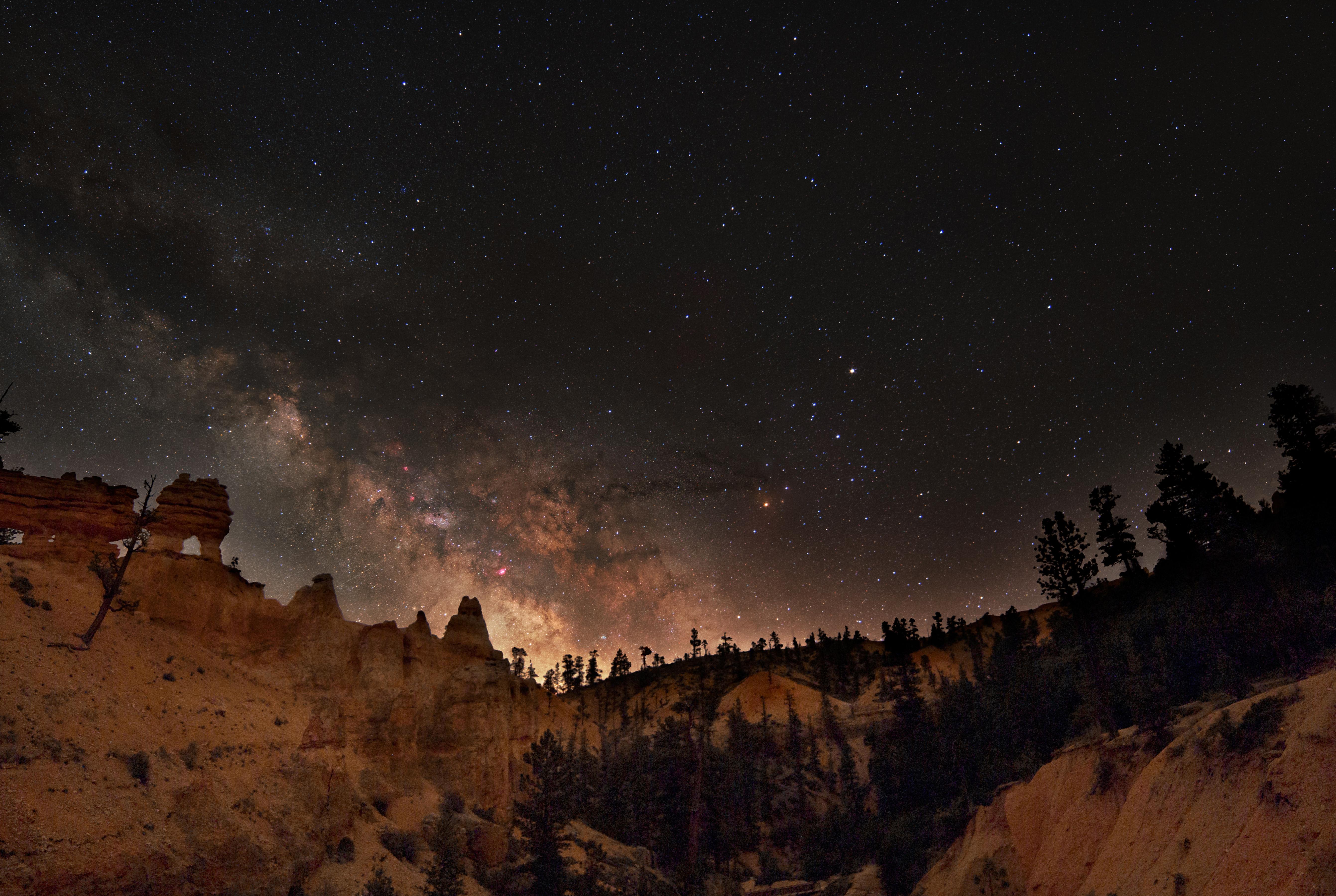
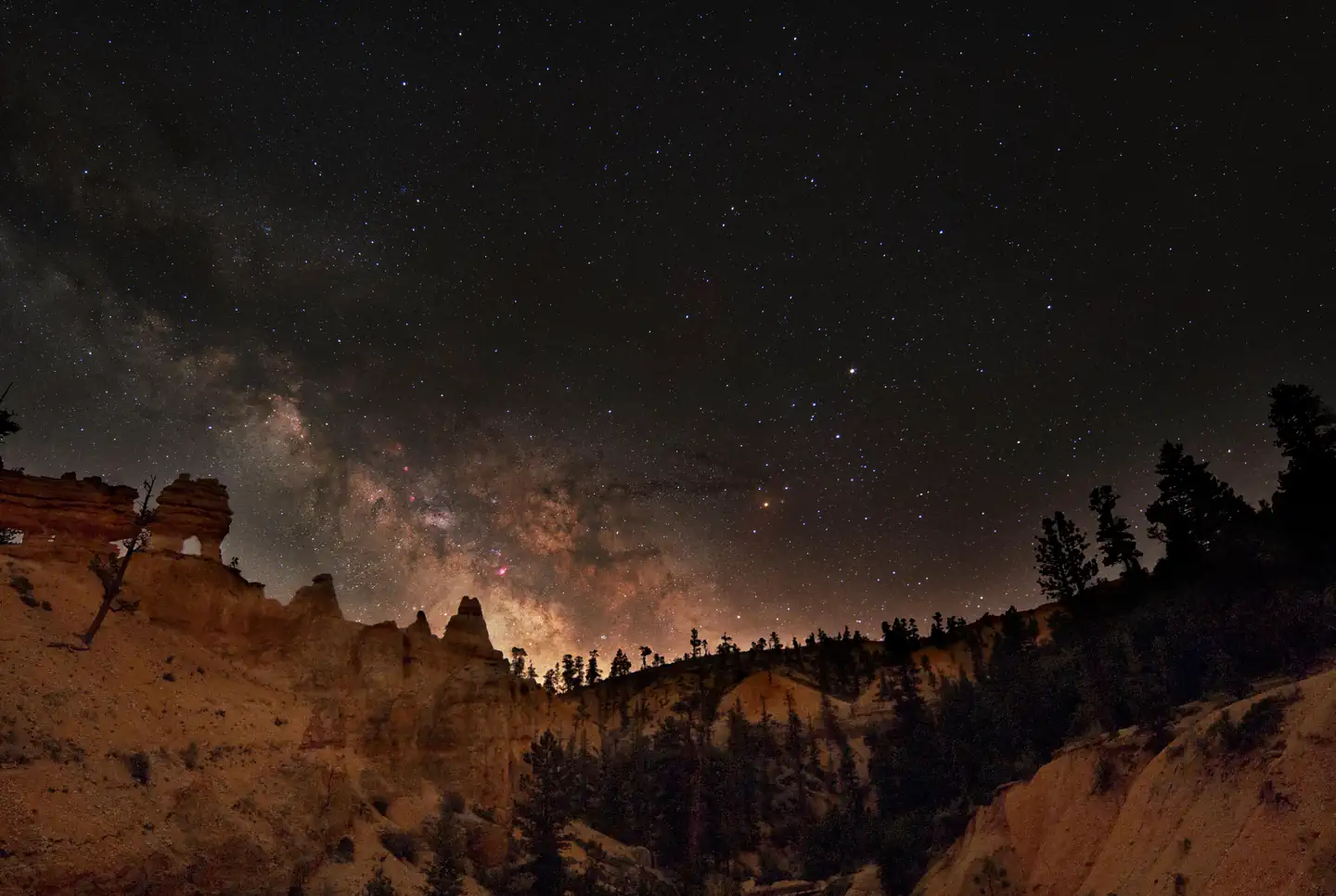
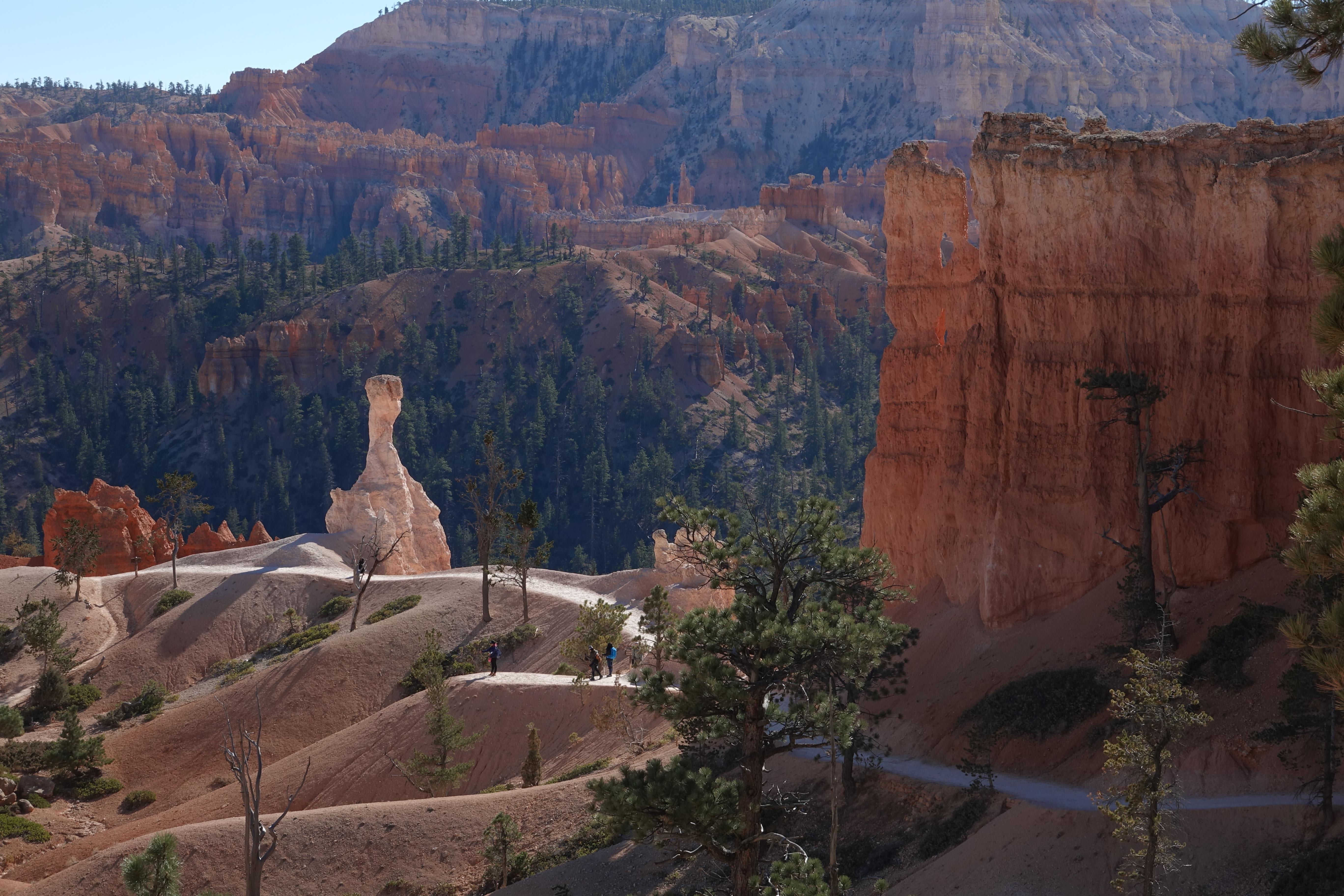
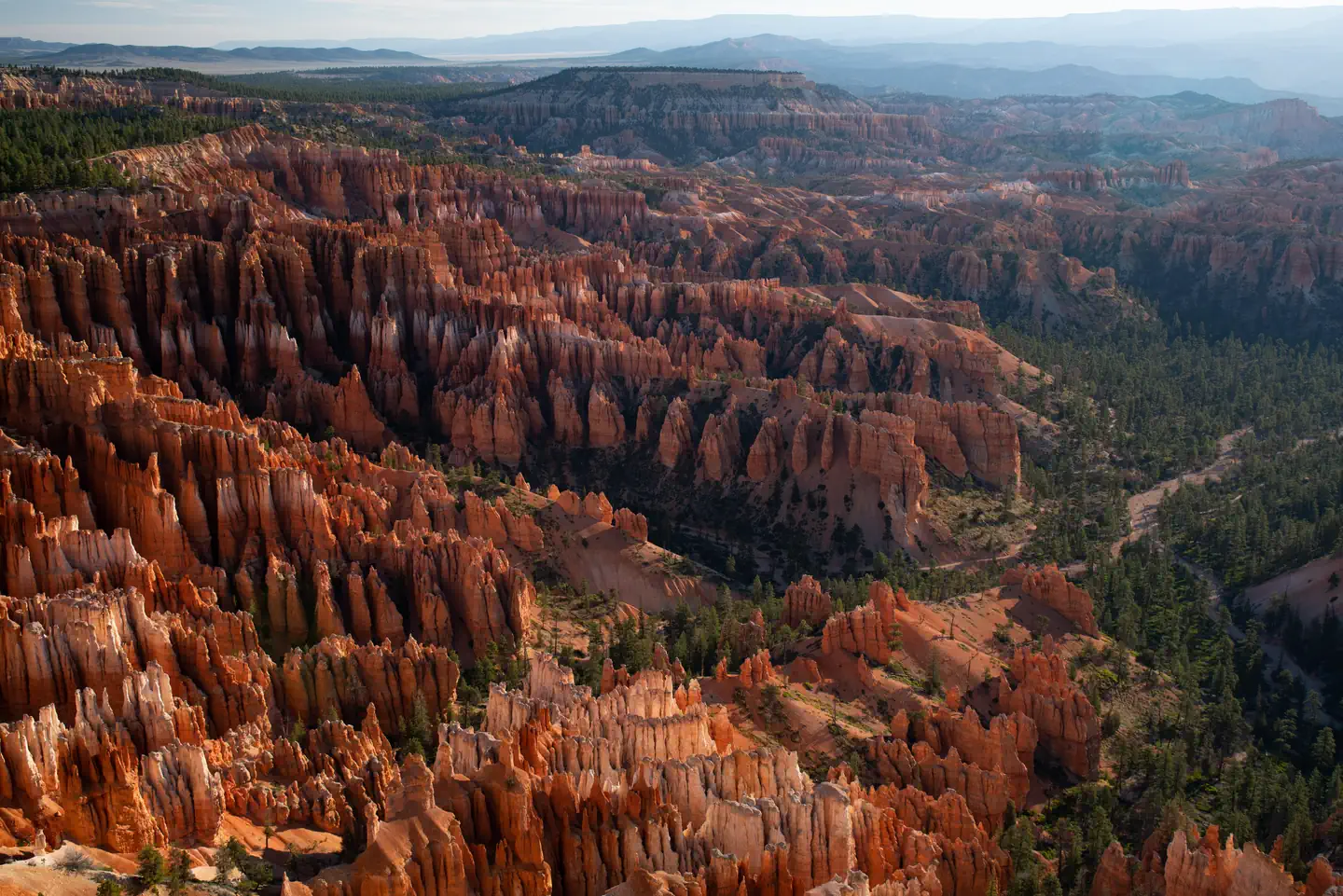
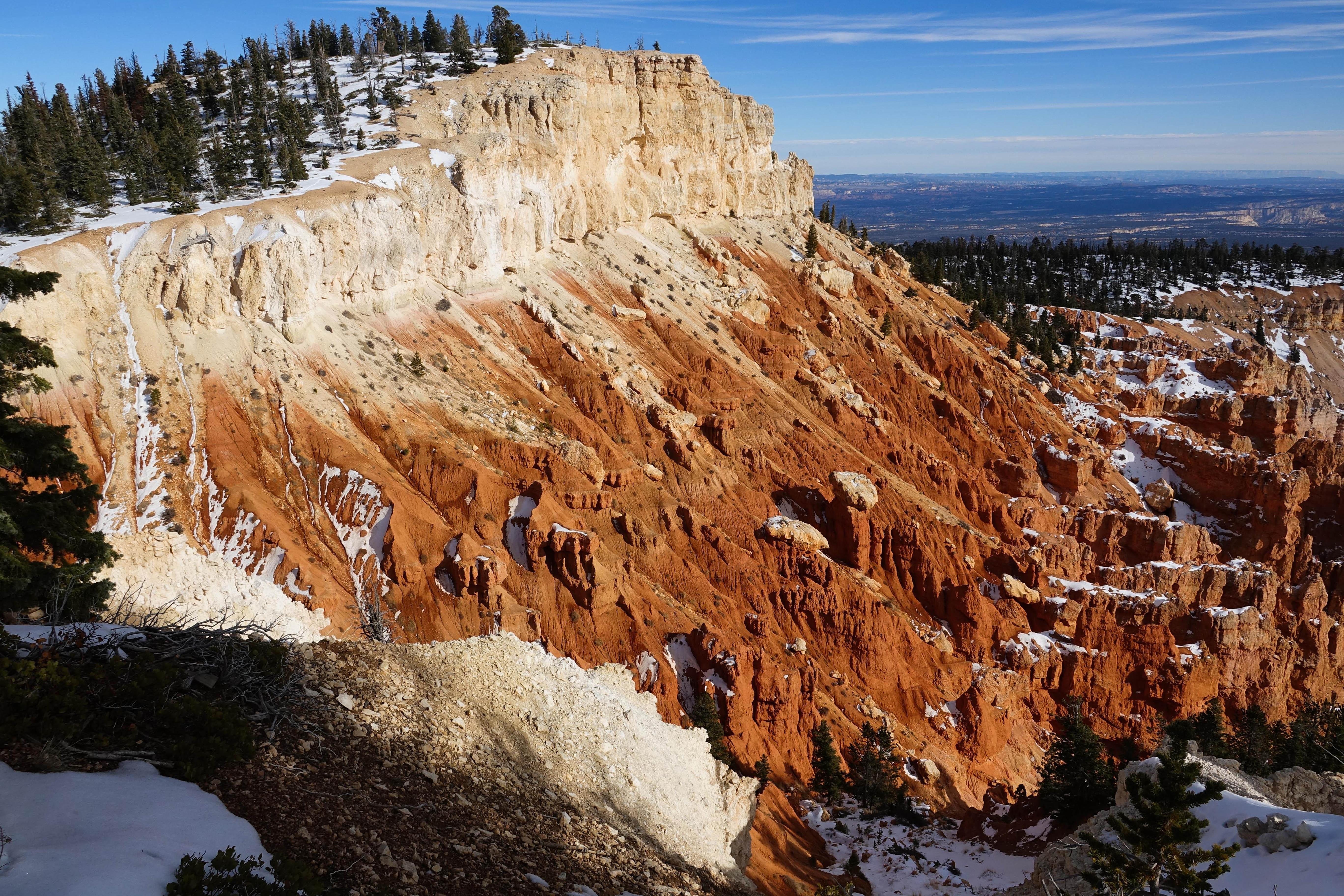
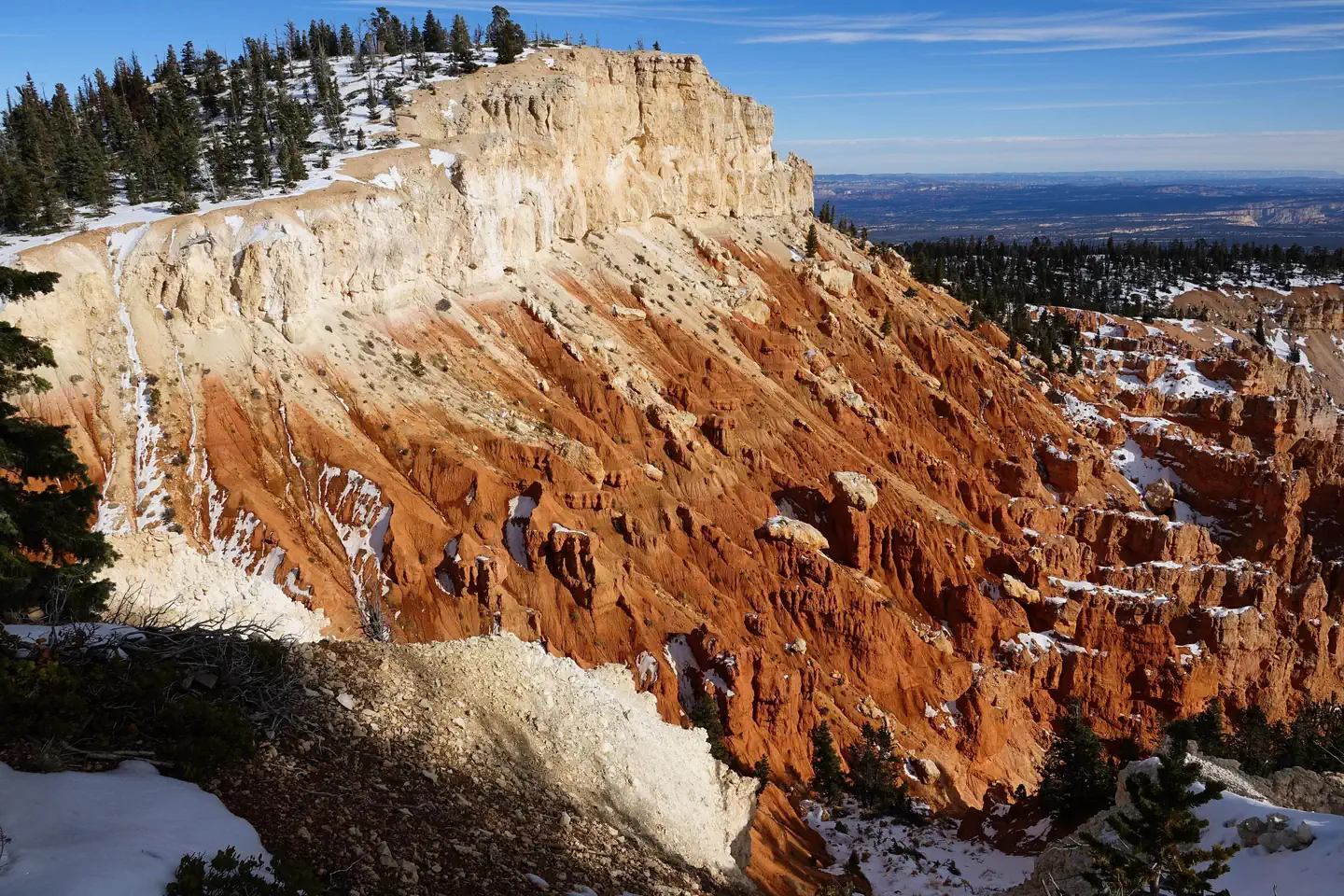
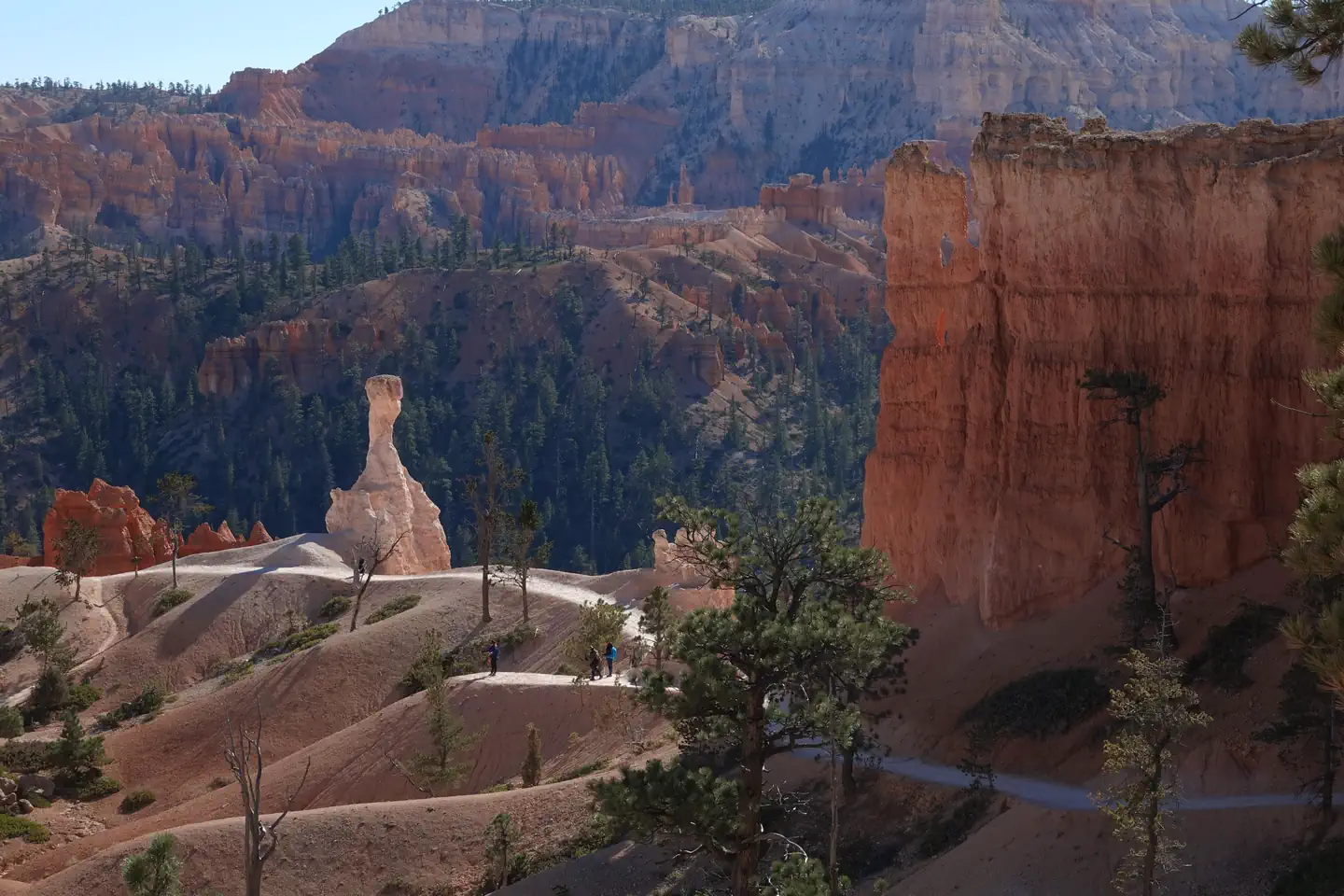
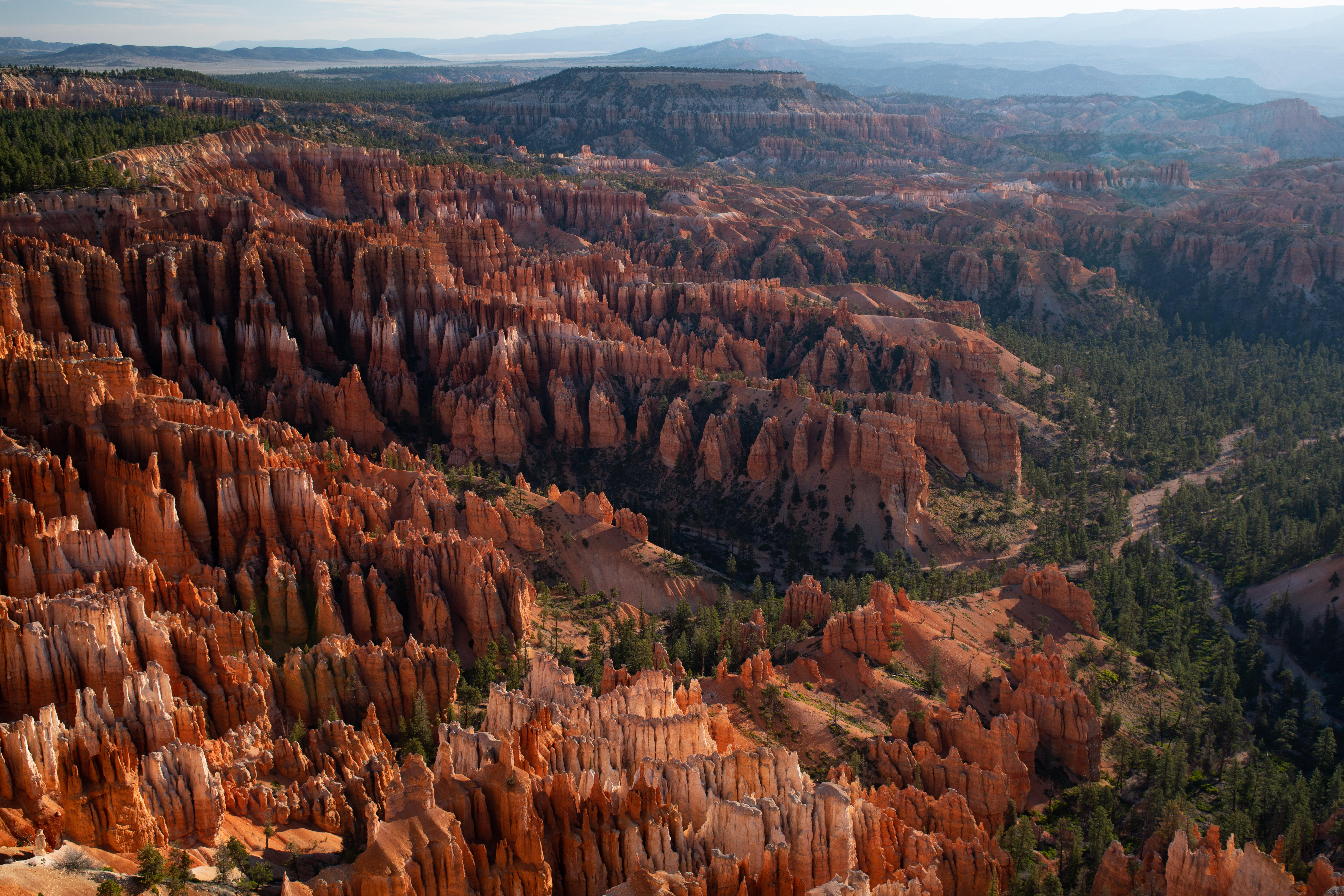
Bryce Canyon National Park, perched on Utah's high plateau, protects the world's largest concentration of hoodoos—fantastically eroded rock spires that rise from the canyon floor. The park's towering elevations create a distinct landscape of geological drama, dark night skies, and layered ecological zones that shift with every thousand feet of elevation change.
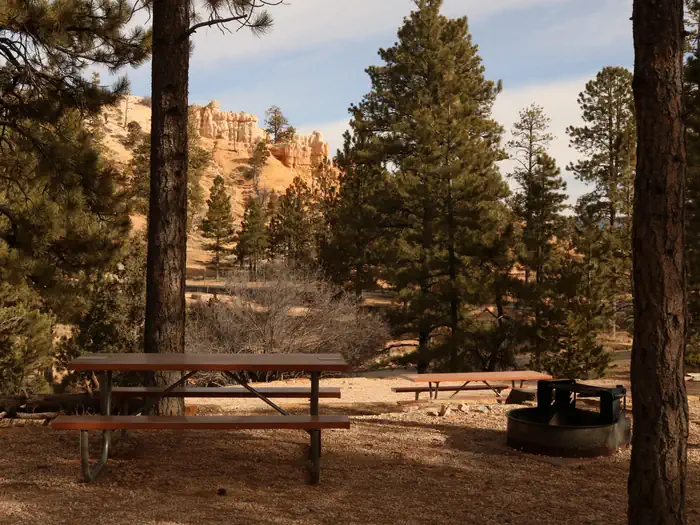
Visitors can base themselves at two developed campgrounds—Bryce Canyon North Campground and Bryce Canyon Sunset Campground—or venture into the backcountry with a permit through Bryce Canyon National Park Backcountry Permits.
Located near Bryce Canyon City, the park sits along Utah's scenic Grand Staircase region. No advance permit is required to enter the park itself, making it straightforward for day-trippers and campers alike to experience this otherworldly terrain.
Experiences
Camping
Explore 2 camping locations in Bryce Canyon National Park.

Experiences
Wilderness Areas
Explore 1 wilderness areas location in Bryce Canyon National Park.

Common Questions
What visitors most often want to know about Bryce Canyon National Park.
Do I need a permit to visit Bryce Canyon National Park?
No permit is required to visit Bryce Canyon National Park. You can explore the park freely during operating hours.
What campgrounds are available inside Bryce Canyon National Park?
Bryce Canyon National Park has two campgrounds: Bryce Canyon North Campground and Bryce Canyon Sunset Campground. Availability at these campgrounds can be checked and reserved through Recreation.gov.
Can I backcountry camp in Bryce Canyon National Park?
Yes, Bryce Canyon National Park has a designated wilderness area where backcountry camping is permitted. Backcountry permits are required for wilderness camping and can be obtained through the park.
What makes Bryce Canyon geologically unique?
Bryce Canyon contains the largest concentration of hoodoos—irregular columns of rock—found anywhere on Earth. The park sits along a high plateau at the top of the Grand Staircase and features high elevations with multiple life communities and distinctive geological formations.