

WA
North Cascades National Park
Jagged peaks, glaciers, and cascading waters in Washington's alpine heart.


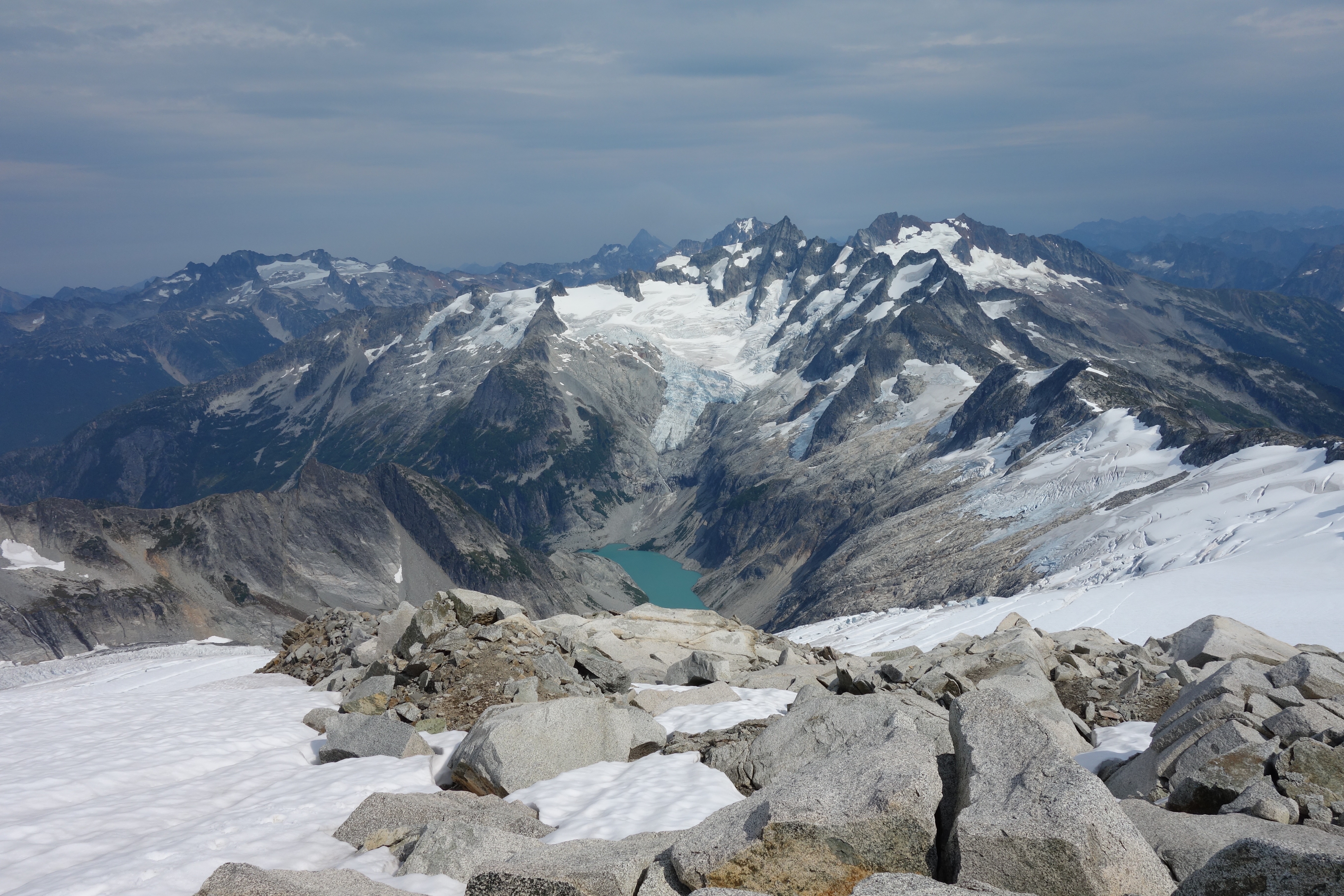
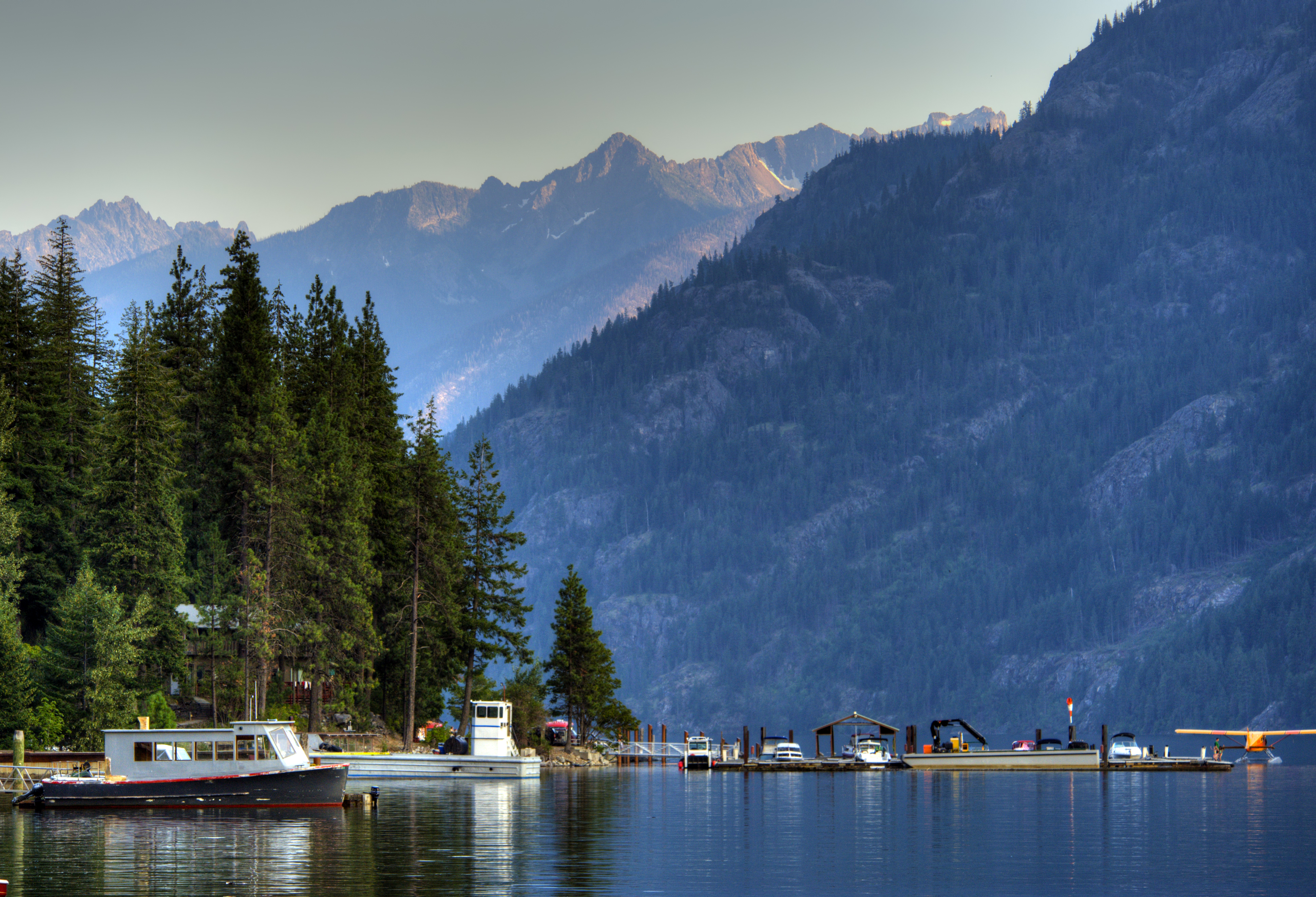
North Cascades National Park preserves a dramatic alpine landscape where jagged peaks, over 300 glaciers, and cascading mountain streams define the heart of the Cascade Range. Located in Washington, the park showcases two distinct ecological zones shaped by moisture on the western slopes and recurring fire patterns to the east.
The park spans multiple access points and recreation areas, each offering different ways to experience alpine meadows, glaciated summits, forested valleys, and backcountry terrain. No permit is required to visit or camp in most areas, making it accessible for day trips and extended stays alike.
The North Cascades sit less than three hours from Seattle, drawing visitors to witness how mountain ecosystems adapt to the region's wet climate and changing seasons. Cascading waterfalls, old-growth forest, and views of ice-carved peaks create a landscape that reflects both the power of glaciation and the ongoing effects of climate change.
No locations are linked to North Cascades National Park yet.
Common Questions
What visitors most often want to know about North Cascades National Park.
Do I need a permit to visit North Cascades National Park?
No permit is required to visit North Cascades National Park. You can enter and explore the park freely during operating hours.
What makes North Cascades National Park distinctive?
North Cascades features jagged peaks crowned by more than 300 glaciers and cascading waters in forested valleys. The park protects communities of life adapted to moisture in the west and recurring fire in the east, making it an ecological heart of the Cascades.
How far is North Cascades National Park from Seattle?
North Cascades National Park is less than three hours from Seattle, making it accessible for day trips or weekend visits.
What should I expect to see in North Cascades?
You can expect to see alpine landscapes, glaciated peaks, forested valleys with waterfalls, and diverse wildlife communities. The park offers opportunities to witness how ecosystems respond to moisture patterns and climate change.