

WA
Olympic National Park
Mountains, rainforest, and wild Pacific beaches across nearly a million protected acres.
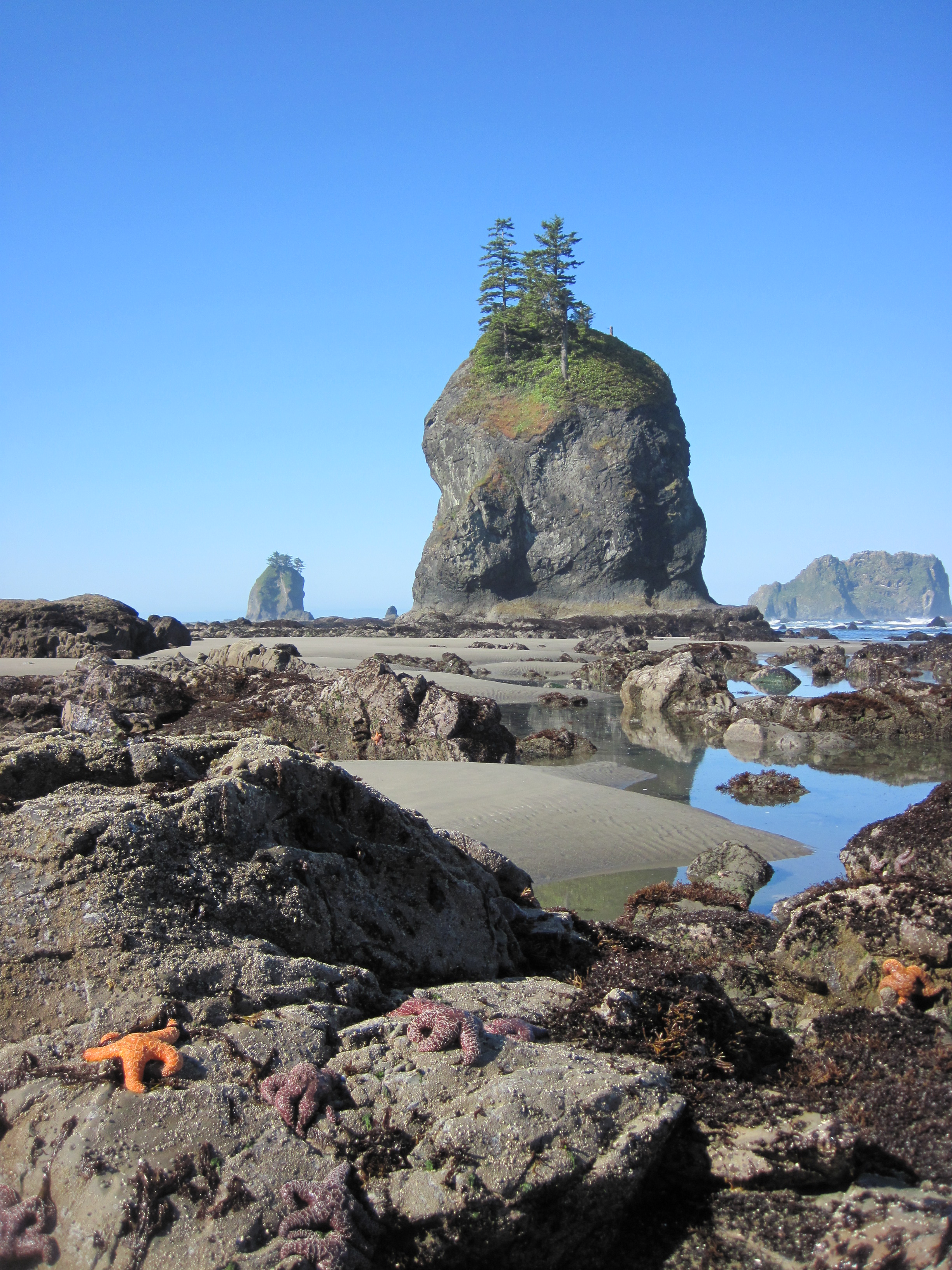
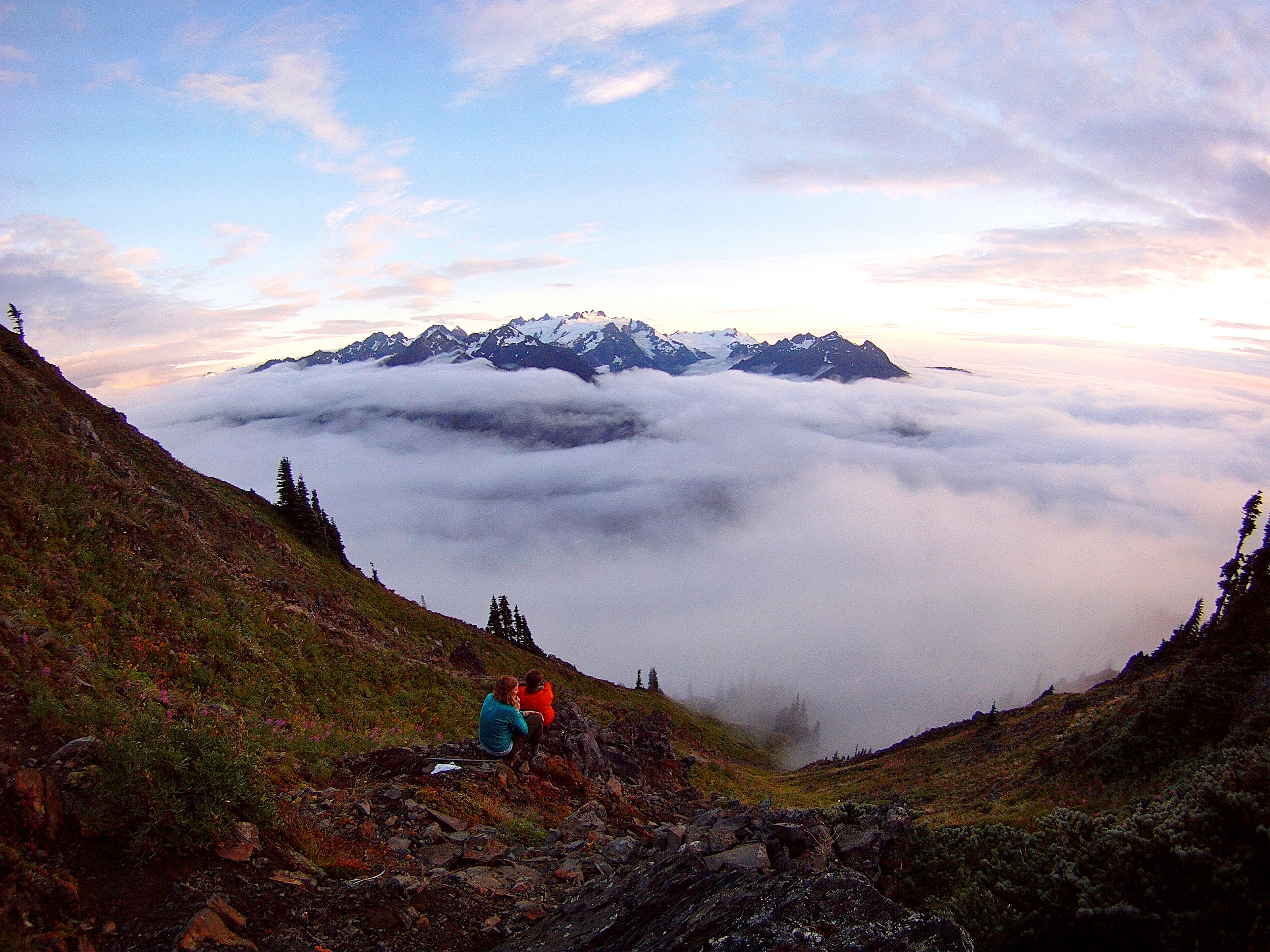
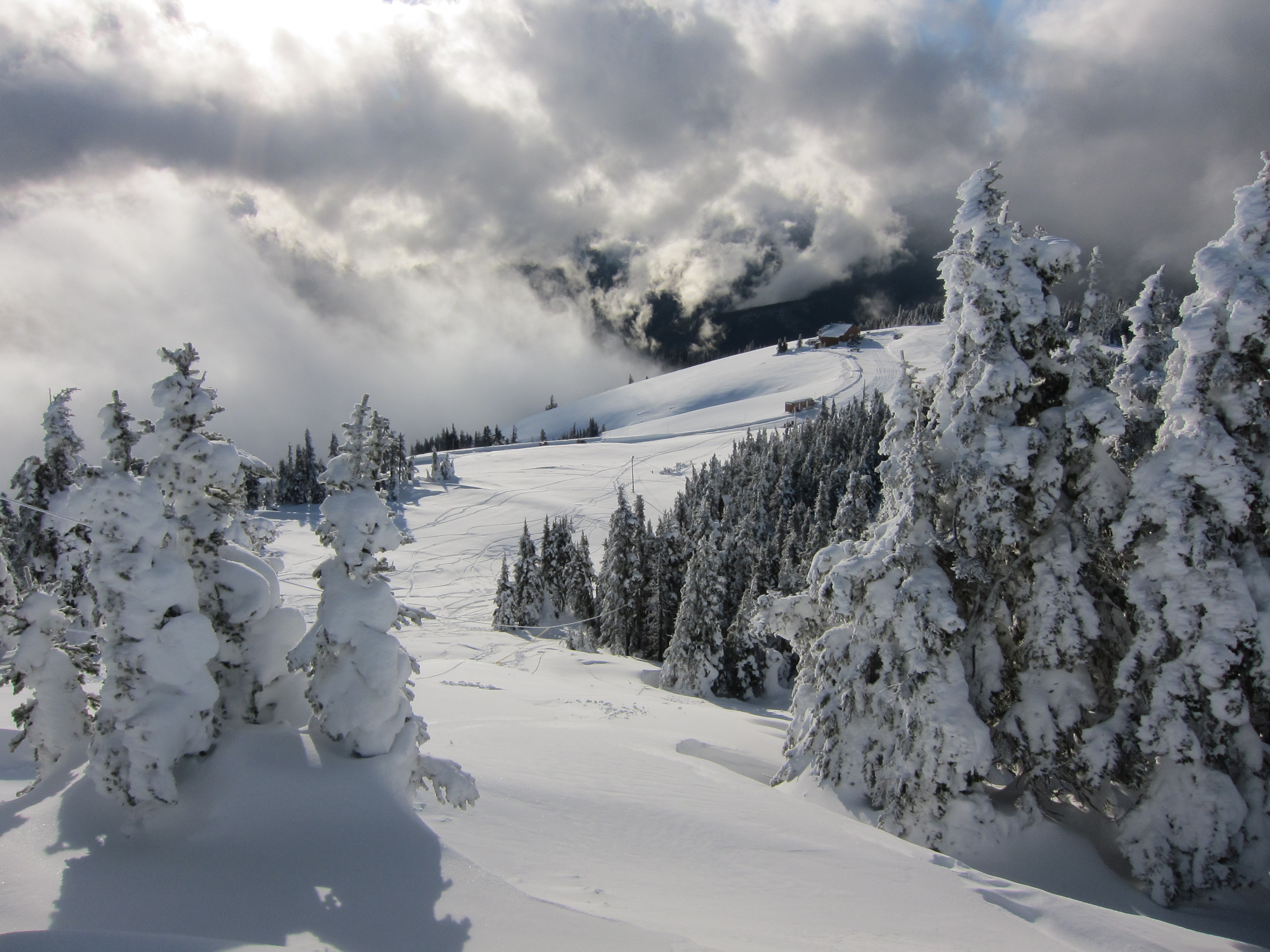
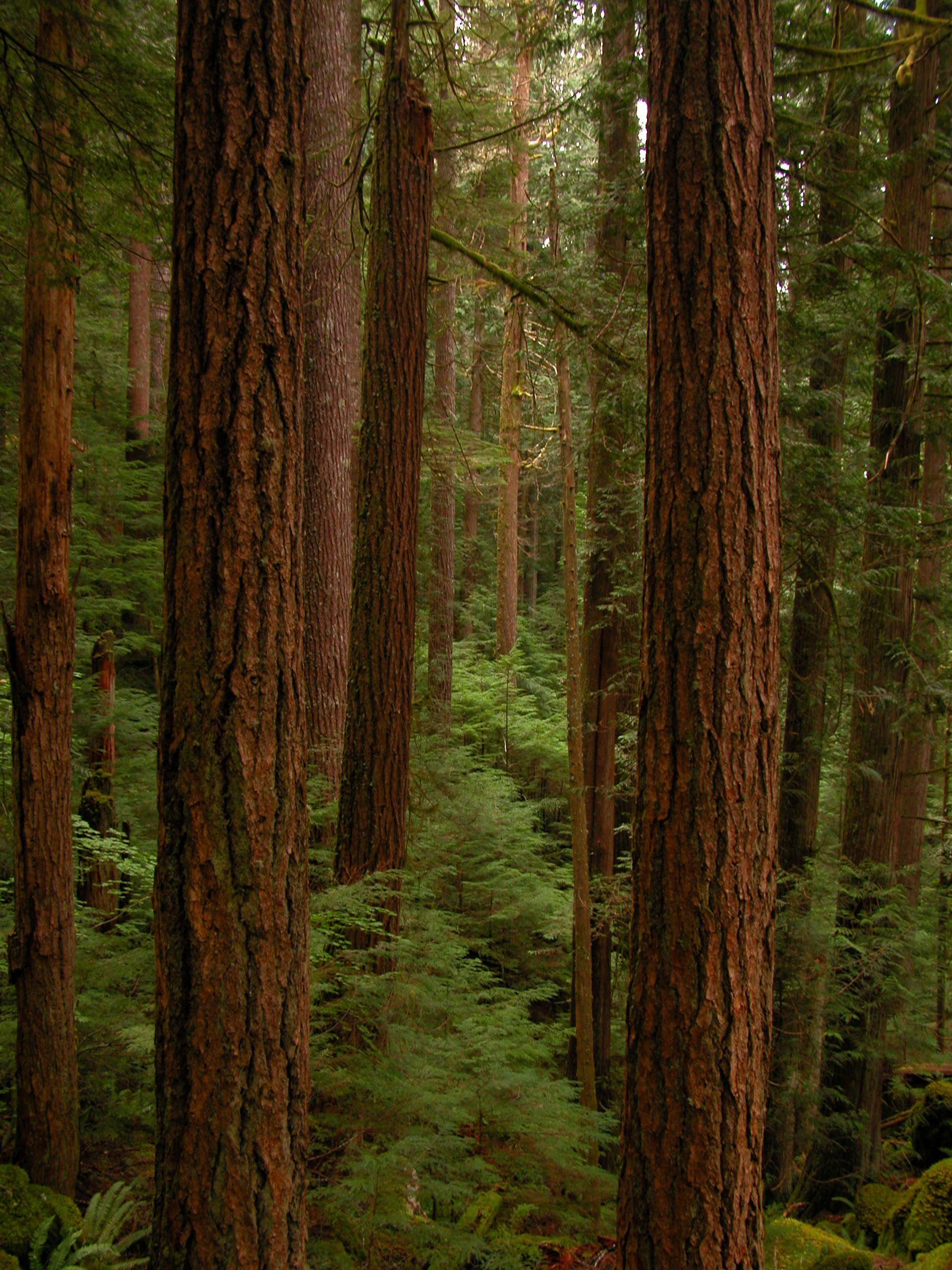
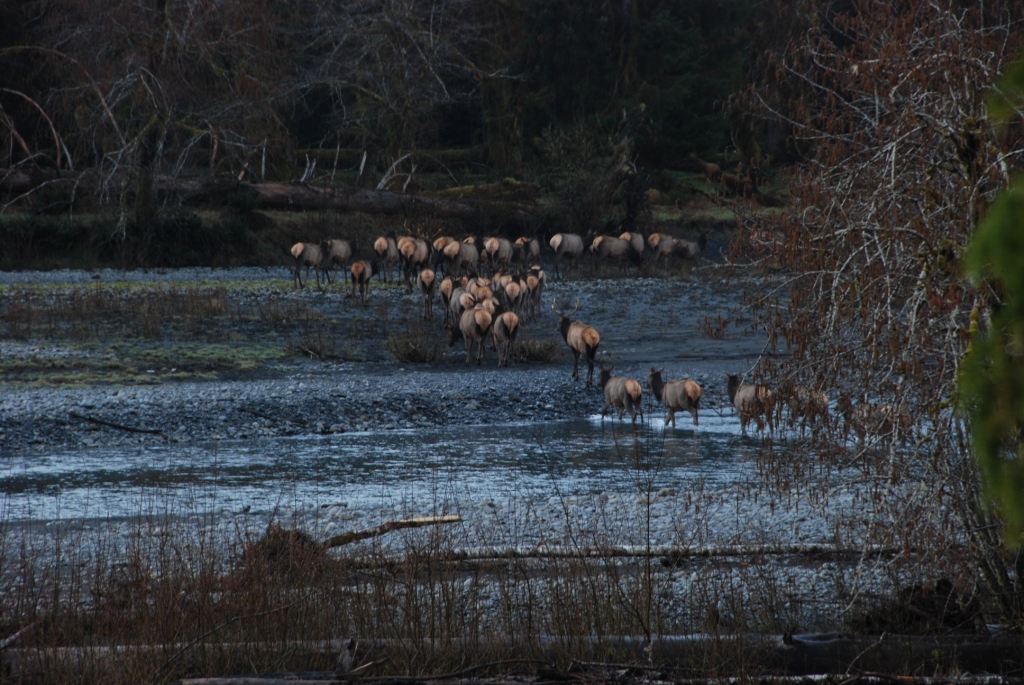
Olympic National Park sprawls across nearly a million acres of Washington wilderness, protecting three dramatically different ecosystems—alpine peaks, temperate rain forest, and rugged Pacific coastline—all within a few hours' drive of each other.
The park contains multiple campgrounds, backcountry shelters, and day-use areas distributed across its mountain, forest, and coastal zones, each offering distinct landscapes and trail systems.
Most of the park is accessible year-round without permits, though weather and snow significantly shape conditions at higher elevations during winter months. The nearest major town is Port Angeles, which sits on the northern edge of the park.
No locations are linked to Olympic National Park yet.
Common Questions
What visitors most often want to know about Olympic National Park.
Do I need a permit to visit Olympic National Park?
No permit is required to visit Olympic National Park. You can explore the park's nearly one million acres of wilderness, ecosystems, and coastline freely.
What ecosystems will I encounter in Olympic National Park?
Olympic National Park protects several distinct ecosystems including glacier-capped mountains, old-growth temperate rain forests, and over 70 miles of wild coastline. This diversity results from the park's incredible range of precipitation and elevation.
What kind of history and cultural resources are in Olympic National Park?
Olympic National Park protects thousands of years of human history within its boundaries. The park's vast wilderness preserves both natural and cultural heritage across its nearly one million acres.
How large is Olympic National Park?
Olympic National Park encompasses nearly one million acres of protected wilderness. This vast area includes mountains, rain forests, and extensive wild coastline.